Altitude, density, and why Toraja scores high
Toraja is planted to S795, Typica descendants, and local selections at 1,400 to 1,900 m, wet hulled and gravity sorted. Grade 1 sort: 0 to 5 full defects per 300 g. Cupped 85 to 87 in the 2024/25 season.
Wet hulled Toraja arabica at 1,400 to 1,900 m, cupped 85 to 87, plus EK-1 robusta from Southeast Sulawesi.
Toraja arabica at 1,400 to 1,900 m, wet hulled and gravity sorted, cupped 85 to 87 at Grade 1 in the 2024/25 season. Kolaka robusta from Southeast Sulawesi, EK-1 screen, caffeine 2.3 to 2.8%.
Tell us the coffee, grade, volume, and destination port. We normally reply within one business day.
4 coffees
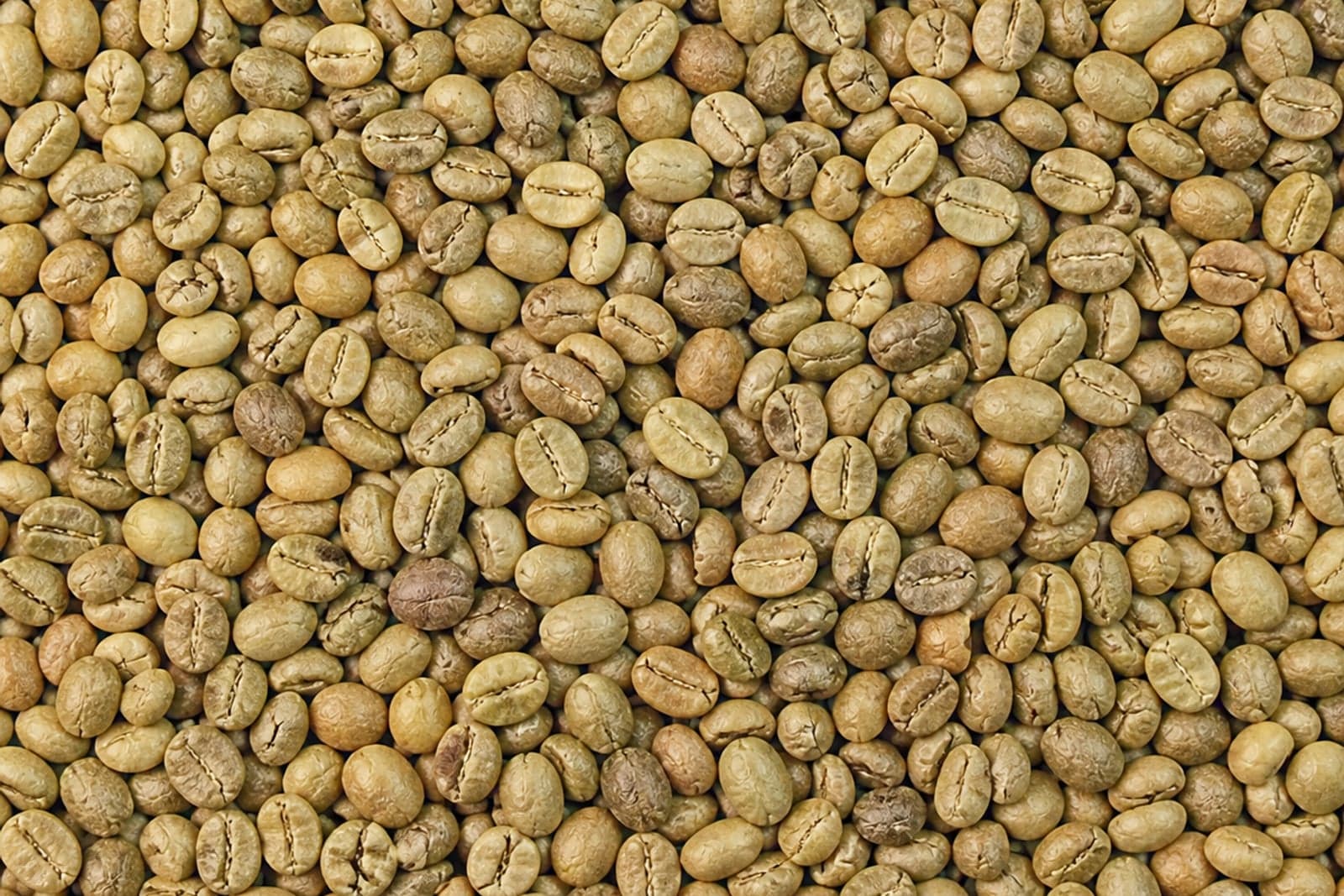
The highest grown arabica we contract, wet hulled in Toraja at 1,400 to 1,900 m, in grades 1 to 6.
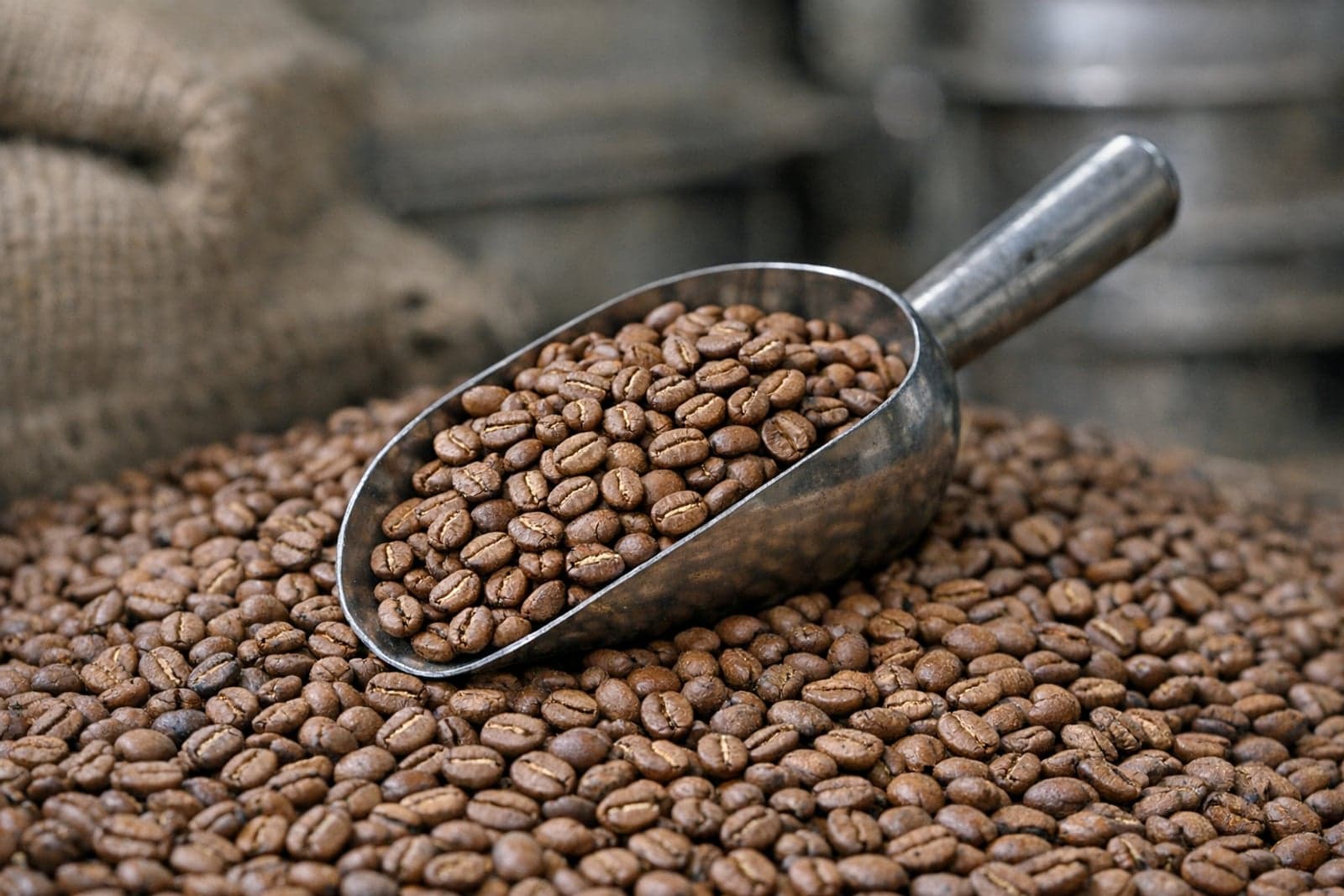
Toraja green roasted light to medium for filter, pour-over, and batch brew programmes.
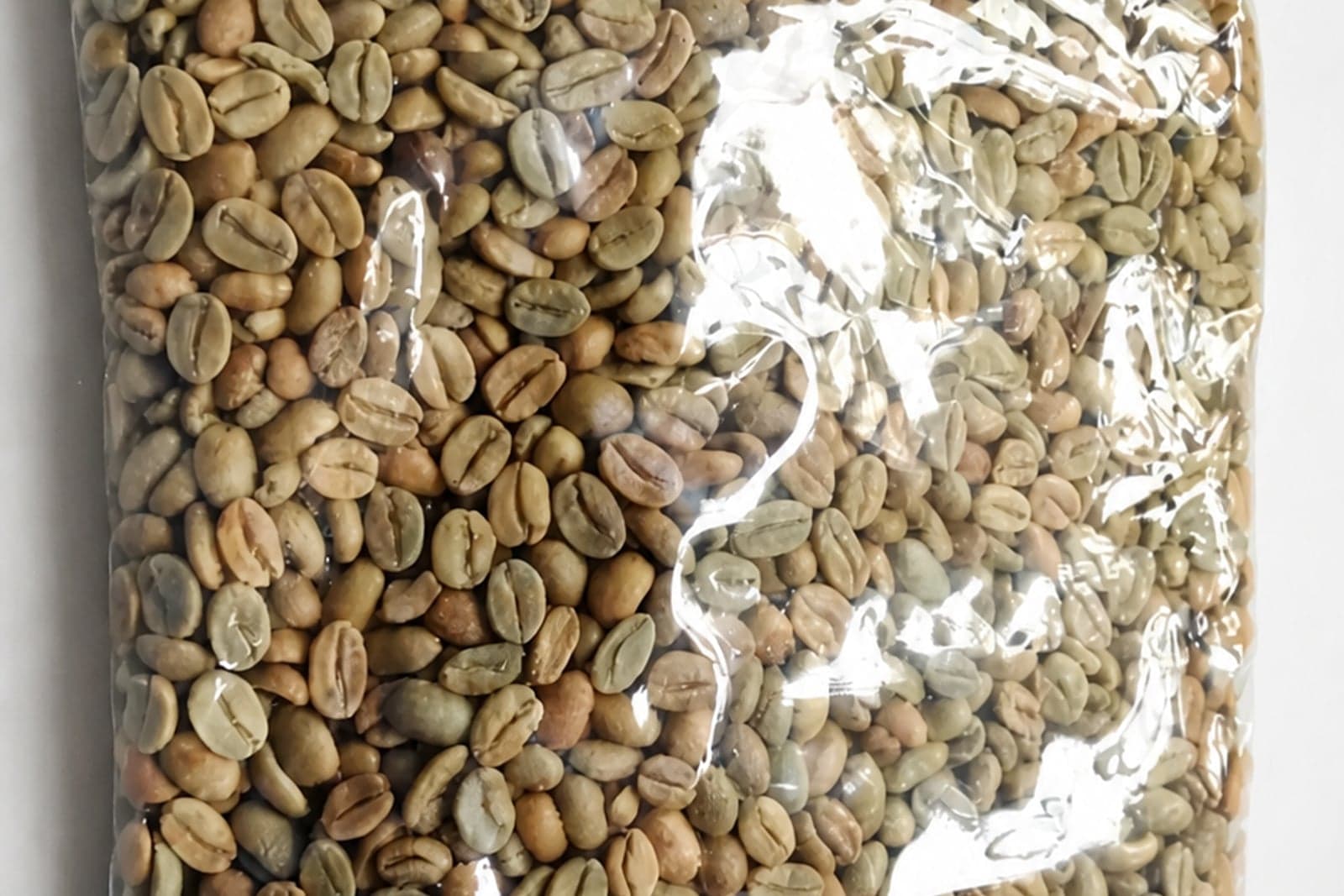
The highest caffeine coffee we carry at 2.3 to 2.8%, gravity table sorted, in every grade from 1 to 6.
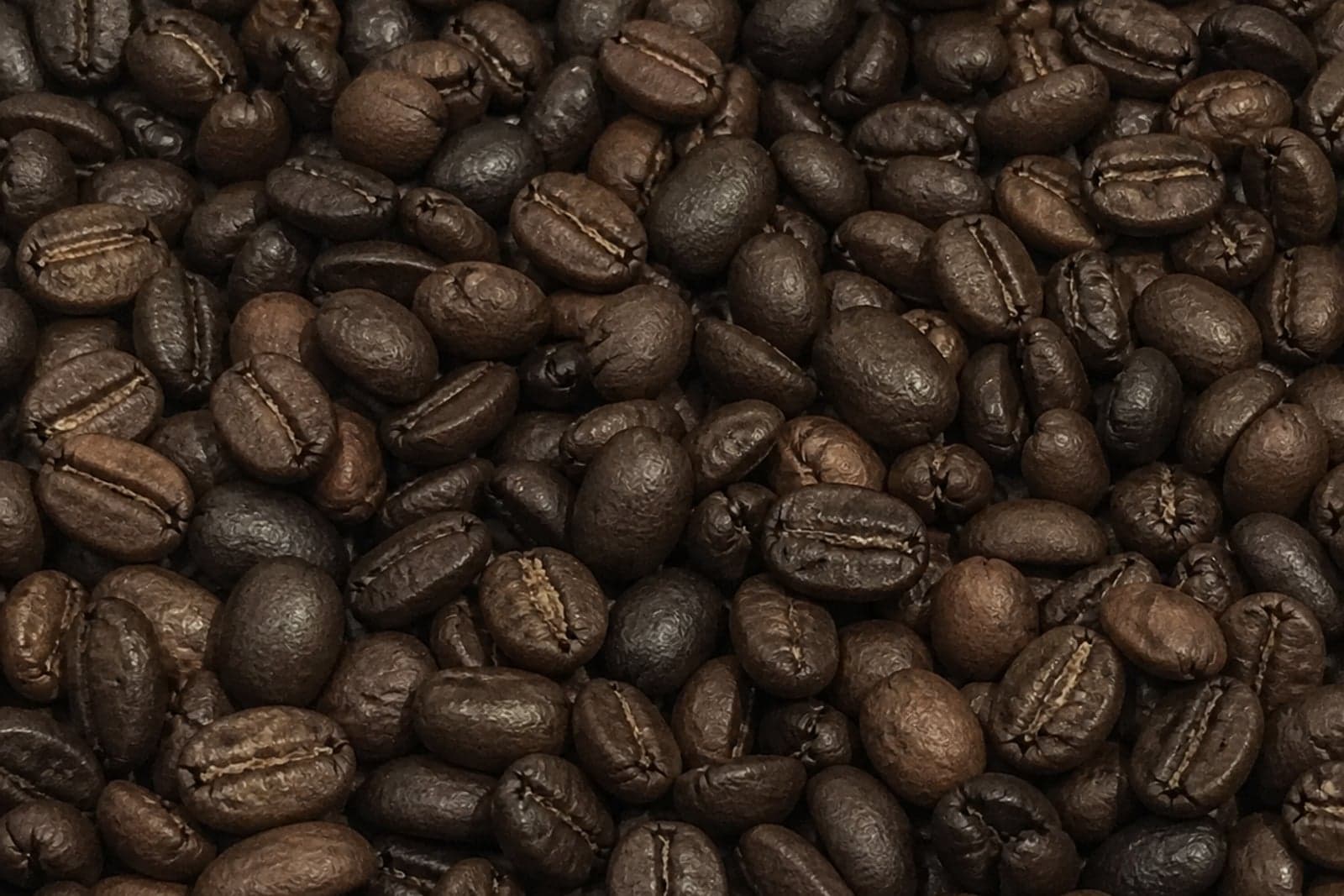
The darkest profile we ship, on our highest caffeine green, 1,000 kg per profile and grade.
Toraja is planted to S795, Typica descendants, and local selections at 1,400 to 1,900 m, wet hulled and gravity sorted. Grade 1 sort: 0 to 5 full defects per 300 g. Cupped 85 to 87 in the 2024/25 season.
Both are wet hulled, so both are heavy and low in acidity, and buyers often ask which to take. Sumatra is more savoury, with cedar, tobacco, and forest floor, and it is available in larger volume at a lower price. Sulawesi is sweeter and cleaner, with dark chocolate and spice, a tighter Grade 1 defect count, and one to two more cup points, at a higher cost and a smaller crop. Roasters building a single origin usually take Sulawesi; blenders needing volume usually take Sumatra. Both are offered at every grade, so the choice is about character rather than availability.
Robusta from Kolaka in Southeast Sulawesi grows at 300 to 800 metres, is sun dried, machine hulled, and gravity table sorted, and screens 16 up as EK-1 at any grade from 1 to 6. At 2.3 to 2.8% caffeine on a dry basis it is the strongest coffee we offer, which matters for soluble extraction yields, and extraction contracts normally run at 4a or 4b. Both the arabica and the robusta load through Makassar, the natural port for eastern Indonesia, or move to Jakarta for consolidated bookings.
Choose a question to see the relevant availability, samples, and supply terms.
Ordering, samples, shipping, and payment.
Altitude and sorting. At 1,400 to 1,900 metres the cherry ripens slowly and the bean is denser, which carries sweetness through the roast, and the Grade 1 sort comes in at zero to five full defects per 300 g. The cup keeps the body of a wet hulled coffee but finishes cleaner, scoring 85 to 87 points against 84 to 86 for our Sumatran arabica at the same grade.
Yes, our Toraja arabica ships under Organic to EU and NOP rules, with the certificate held by the producer group and the transaction certificate number attached to the shipment. Volume is limited by the certified pool rather than by the crop, so certified Toraja is normally booked a season ahead.
Toraja arabica is picked from May to September and normally ships from July onward, with lead times of four to five weeks because sorting is slow and thorough. Kolaka robusta peaks June to October and ships in three to four weeks. Both load through Makassar or move to Jakarta for consolidated containers.
Kolaka robusta, screened EK-1 and usually taken at Grade 4a or 4b, at 2.3 to 2.8% caffeine on a dry basis, the highest on our list. Moisture is held at 12.5% maximum after re-drying at the mill and checked again before stuffing, because moisture drives both extraction yield and storage risk in a soluble plant.
Send the island, species, grade, and volume. You get an indicative price, current availability, and 300 g green samples with the grading sheet. Courier cost credited against the first contract.