Skip to content
Nusantara Origins

Specialty Indonesian Arabica, 83 to 87 Points

Compare five traceable Indonesian specialty Arabicas scoring 83 to 87 points.

Choose Gayo, Ijen, Kintamani, Bajawa, or Toraja lots, with published cup scores, defect counts, screen sizes, and producer-group traceability. Request a five-origin sample set before contracting.

  • Cup scores published per lot
  • 300 g of each origin
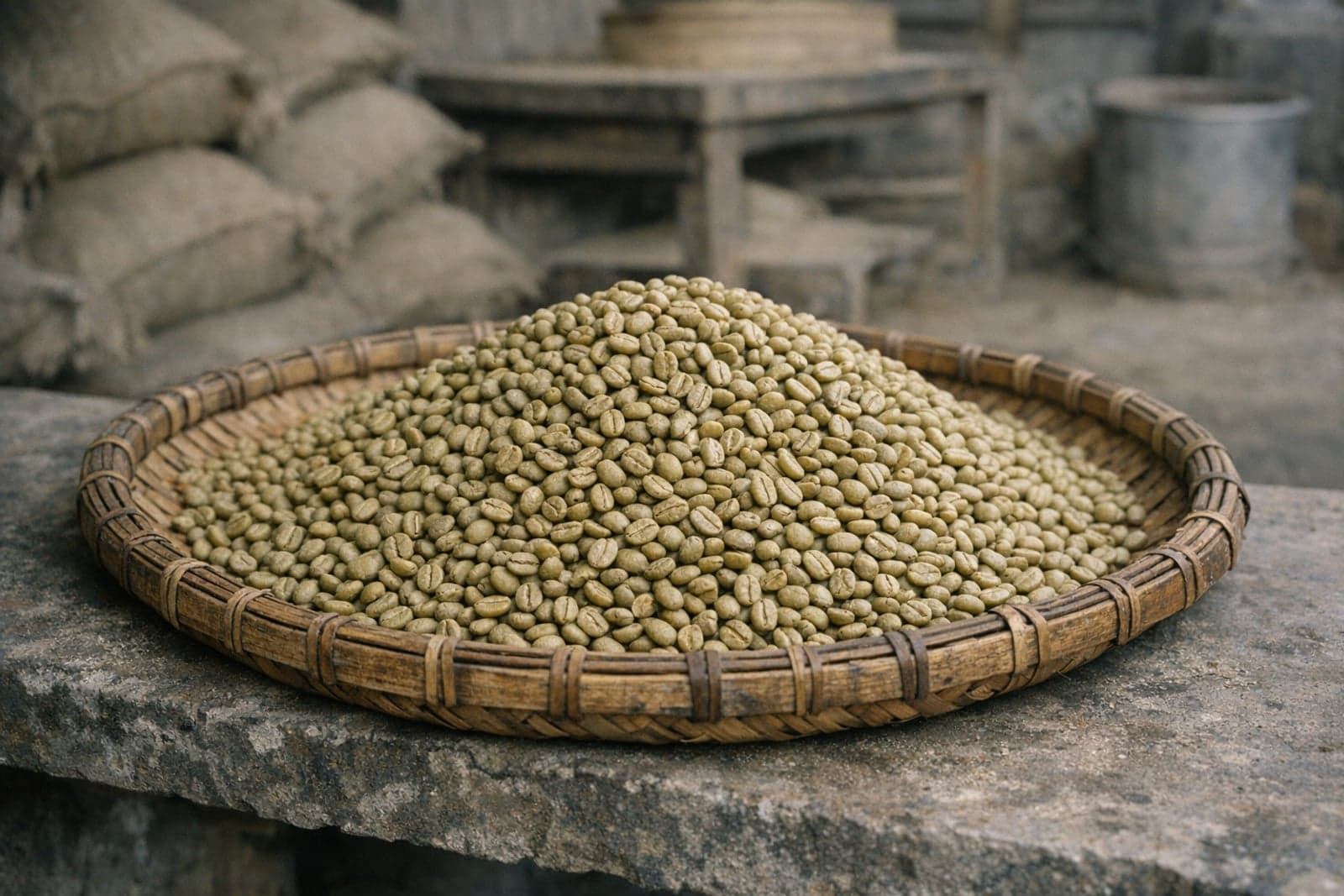
  • GrainPro-lined 60 kg jute

What is in this selection

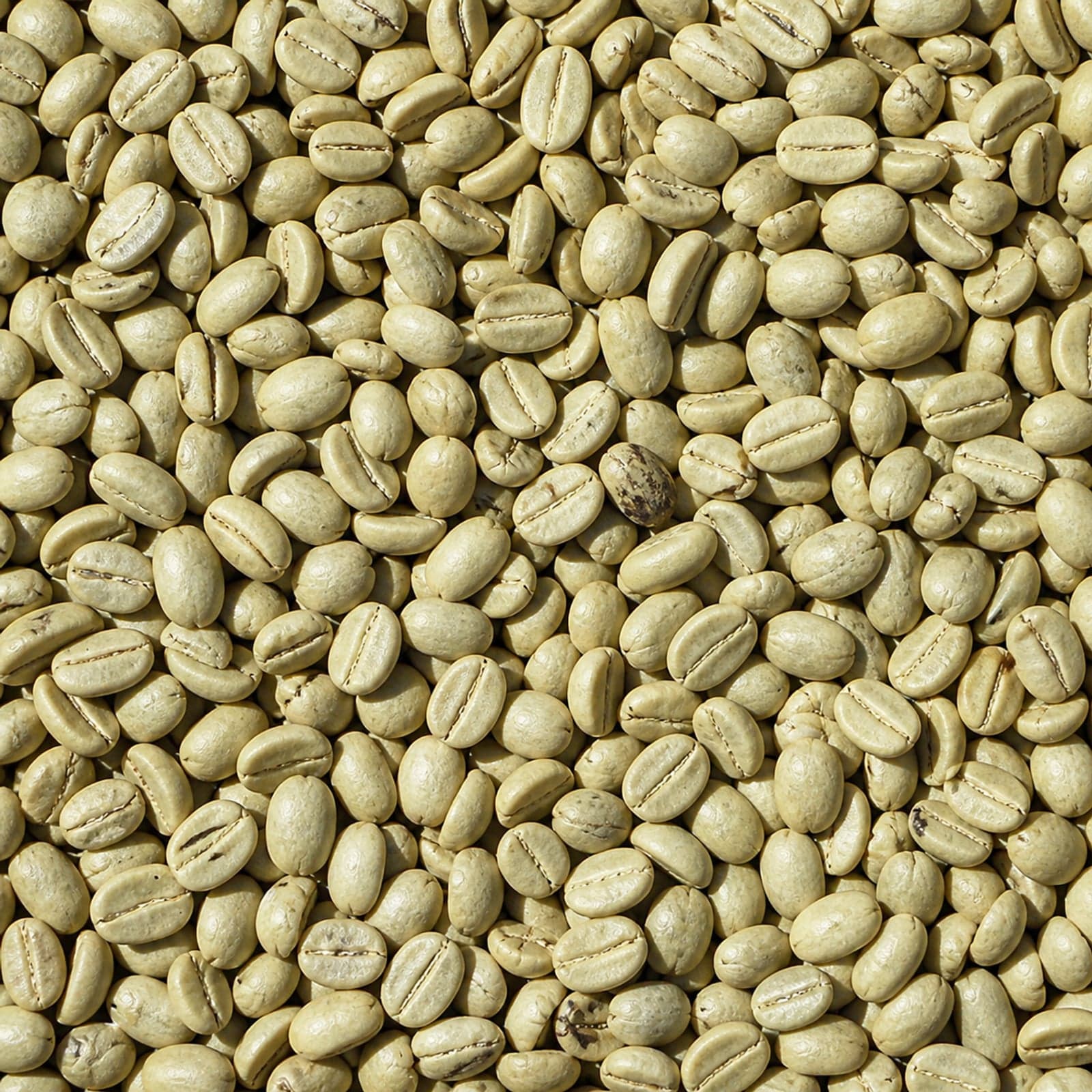
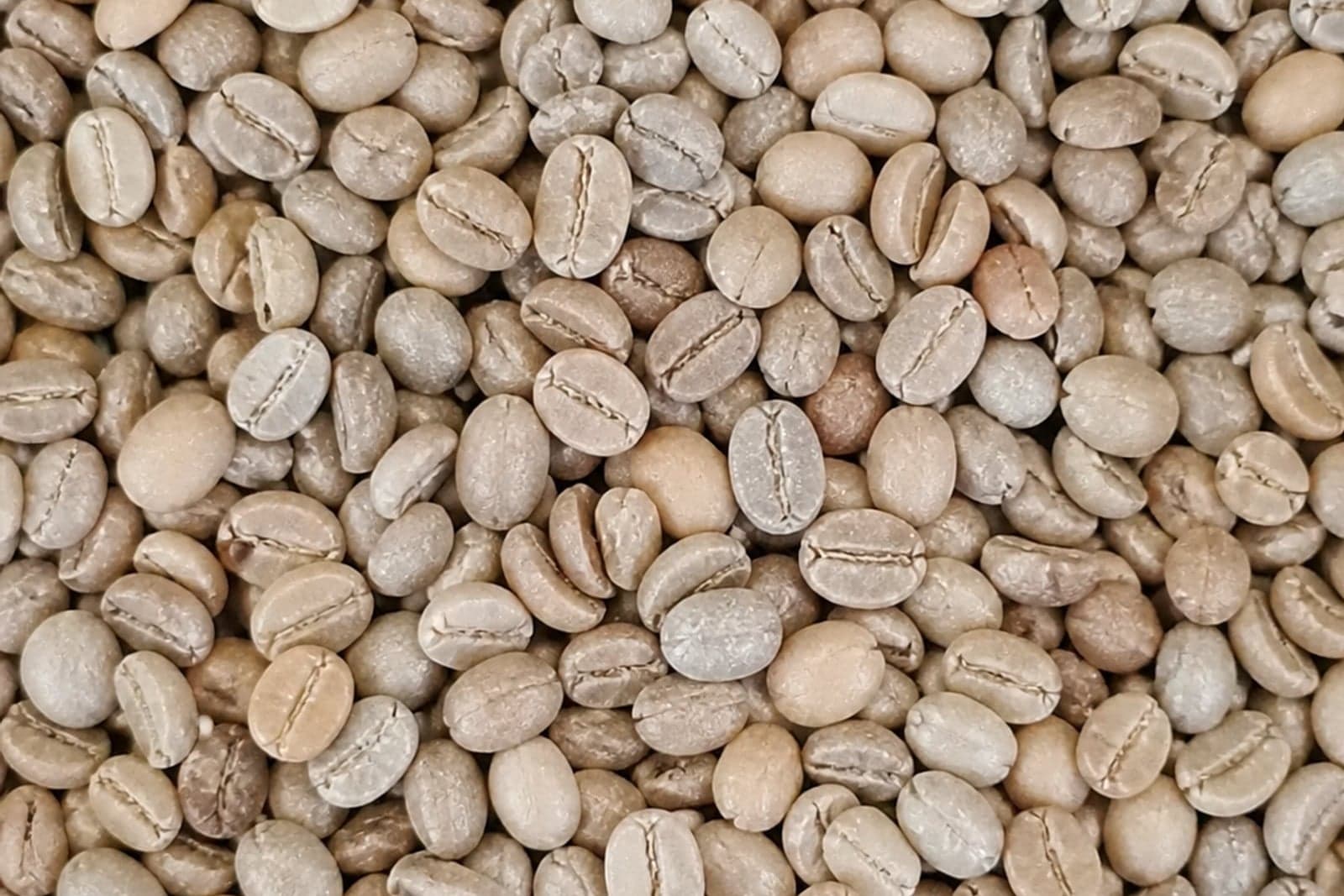
This selection is the specialty end of our green offer list in one place: the Grade 1 sort of five single island arabicas, each scoring 83 points or better on the SCA cupping protocol, each traceable to one producer group, and each counted at 300 g with the defect figure published rather than summarised. The same coffees are available at lower grades for blend programmes, but this page is the top of each ladder. If you are building a single origin line or choosing an Indonesian coffee for a seasonal menu, compare them here and ask for the sample set.

What qualifies a lot for this selection

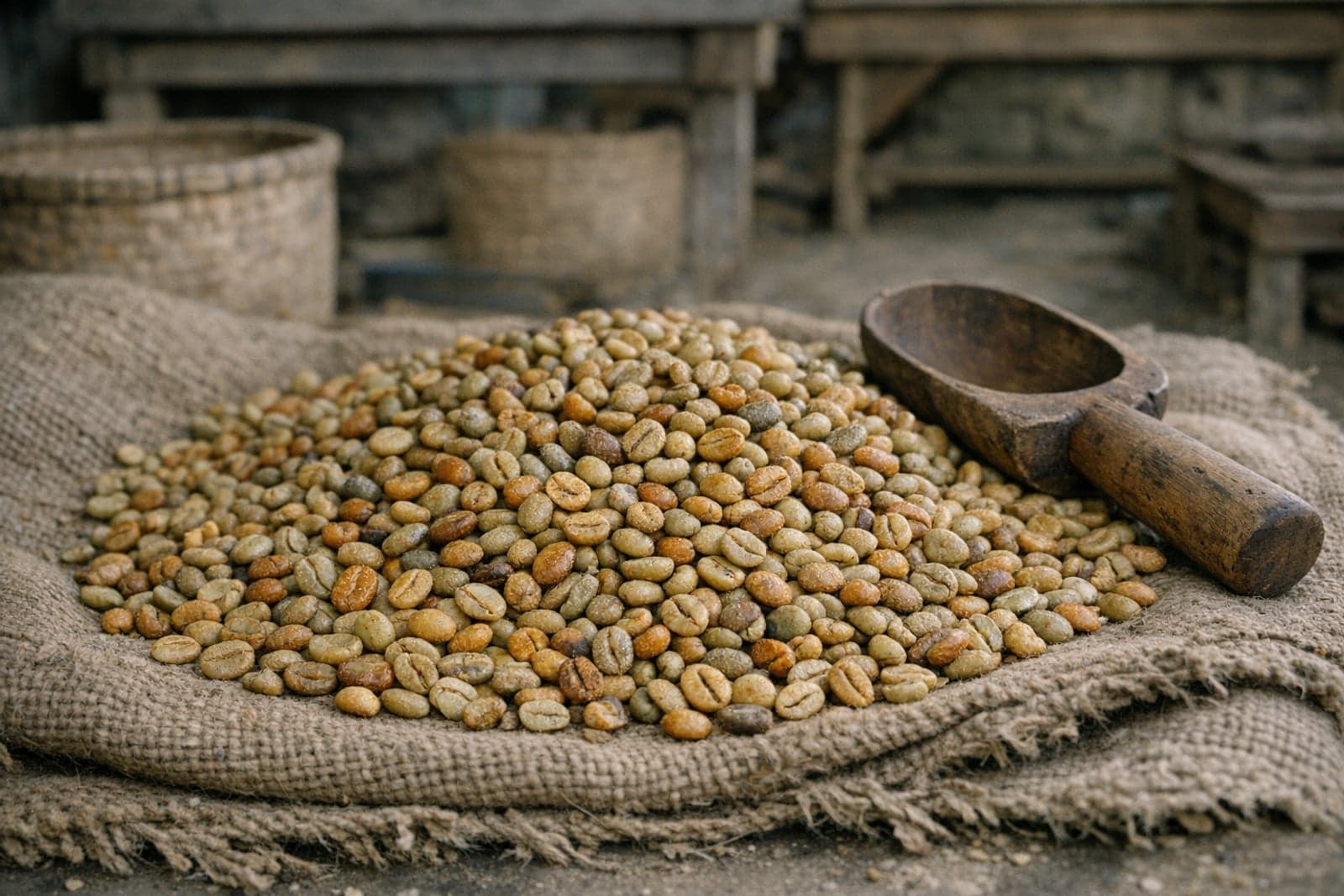
Three things, all measured on the Grade 1 sort. It has to score 83 points or better on the SCA protocol, cupped in our Jakarta laboratory by two Q Graders on a sample roasted and rested to protocol. It has to hold screen 16 or above at 90% retention. And it has to come in at eight full defects or fewer per 300 g under SCA green grading, with the actual count published, not a grade label alone. Coffee that misses any of the three is offered at its own grade for blending and roast programmes instead.

How the five lots differ on the table

Toraja: 85 to 87, wet hulled. Gayo: 84 to 86, wet hulled. Kintamani: 84 to 86, washed. Bajawa: 84 to 86, natural dried 18 to 22 days. Ijen: 83 to 85, washed, highest screen uniformity on our list. Cup side by side before contracting.

Contracting specialty volume

Specialty lots are finite and committed at harvest. Sumatra, Java, and Sulawesi start at one 20 ft container, about 19.2 MT; Bali and Nusa Tenggara at a half container of 9.6 MT because the crops are smaller. A container can carry two or three lots if the volume per lot justifies the split. If you want the same coffee next season, take a forward contract at harvest rather than buying spot, which is also what keeps the profile repeatable year to year.

Frequently asked questions

Ordering, samples, shipping, and payment.

What makes a lot specialty grade in this selection?

A score of 83 points or better on the SCA cupping protocol, screen 16 up at 90% retention, and no more than eight full defects per 300 g under SCA green grading, all measured on the Grade 1 sort. All three are checked in our Jakarta laboratory and published on the offer sheet, including the exact defect count rather than a grade label alone.

Can I order all five specialty lots as one sample set?

Yes, and most buyers do. The set is 300 g of each of the five islands with the grading sheet and cup score for every lot, dispatched within two working days. Sample courier cost is credited against your first contract. Tell us your roast style so we can note the cupping context in the covering sheet.

Can one container hold more than one specialty island lot?

Yes, provided each lot in the mix is a sensible pallet volume. A 20 ft container holds about 19.2 MT, and buyers commonly split it between two or three islands. Each lot keeps its own lot number, grading sheet, and retained sample, and the packing list shows the split by bag count.

When should I contract specialty arabica for next season?

Before the relevant harvest opens, because volume is committed to producer groups at that point. Gayo peaks October to February; Toraja, Kintamani, and Bajawa May to September; Ijen June to October. Certified volume runs out first, so organic and Fairtrade allocations should be booked earliest of all.

Get current prices & availability

Send the island, species, grade, and volume. You get an indicative price, current availability, and 300 g green samples with the grading sheet. Courier cost credited against the first contract.