Skip to content
Nusantara Origins
Season supply for importers, roasters and manufacturers

Contract Indonesian coffee by season, with monthly shipments against one agreed specification

Reserve green arabica or robusta volume before the harvest is fully allocated, with monthly releases on FOB, CFR or CIF terms.

Reserve green arabica or robusta volume before the harvest is fully allocated. We agree the origin, grade, screen, moisture, cup target, price basis and shipment schedule, then release containers from the contracted volume throughout the season.

  • Five Indonesian islands
  • FOB, CFR and CIF
  • Monthly releases
  • Pre-shipment grading
  • Retained samples

Tell us your monthly tonnage, required specification and destination port. We normally reply within one business day.

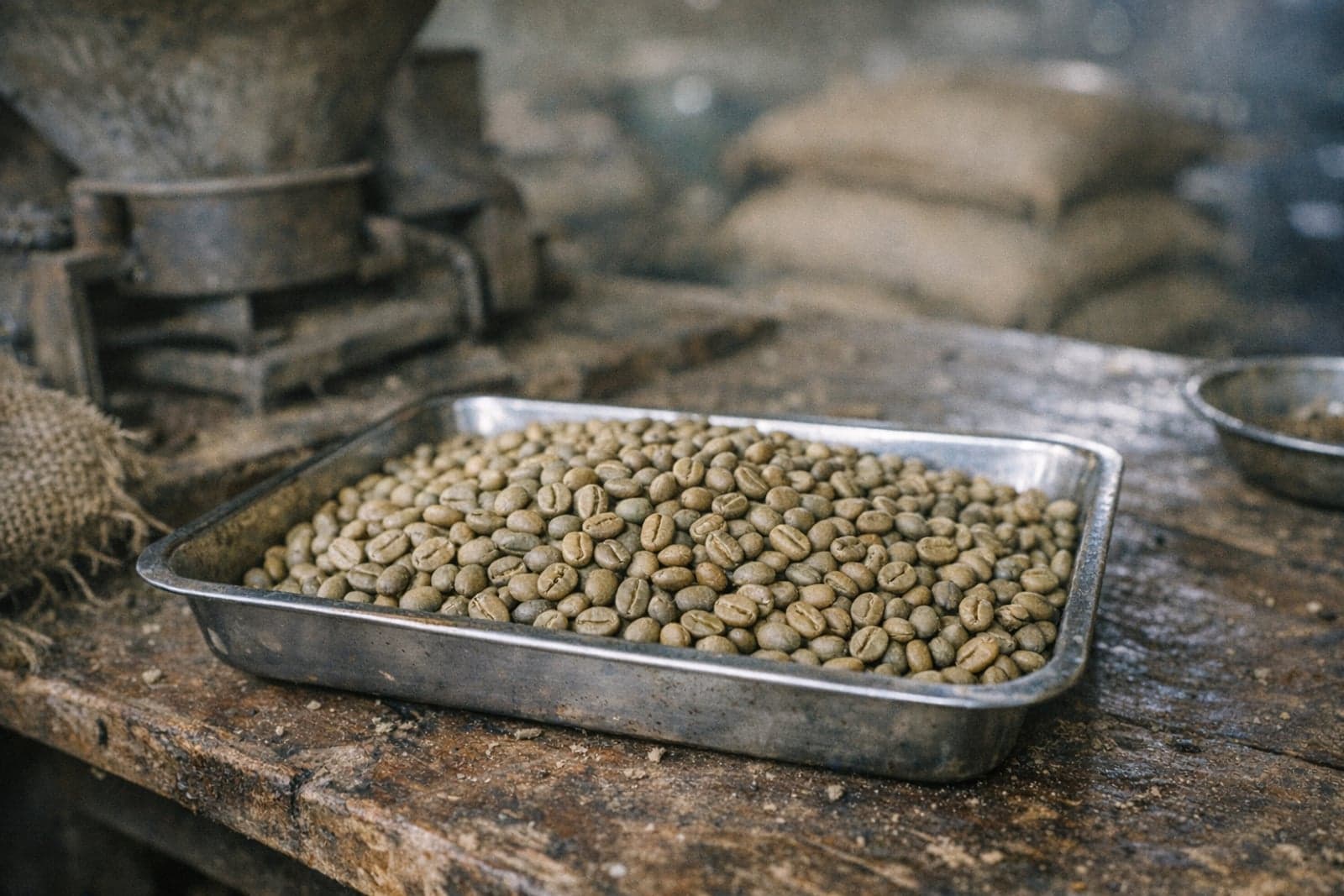
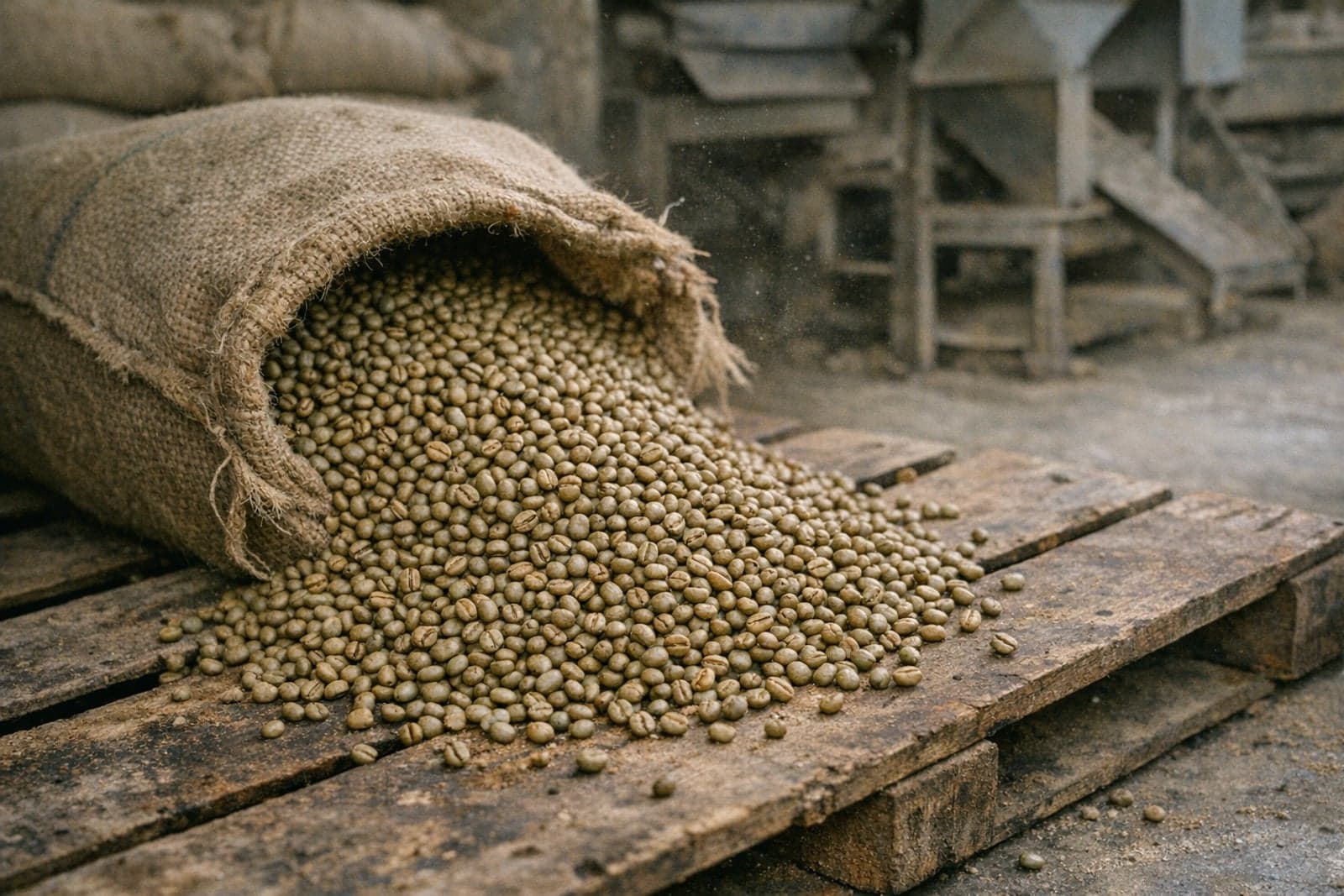
Indonesian green robusta coffee prepared for a seasonal export contract

Replace monthly spot buying with a planned supply programme

A season contract reserves coffee against an agreed specification and shipment schedule.

It is designed for buyers who need repeat volume, not a different offer every month. Before the contract begins, we agree what can change, what must remain fixed and how every shipment will be checked before loading.

  • One origin for the entire programme
  • A primary origin with an approved secondary source
  • Grade, screen and moisture limits
  • An arabica cup-score range
  • A caffeine requirement for robusta, when needed
  • Monthly or scheduled container releases
  • Flat pricing or an agreed market-linked price basis
  • Certification and documentation requirements
  • The destination port and contracted incoterm
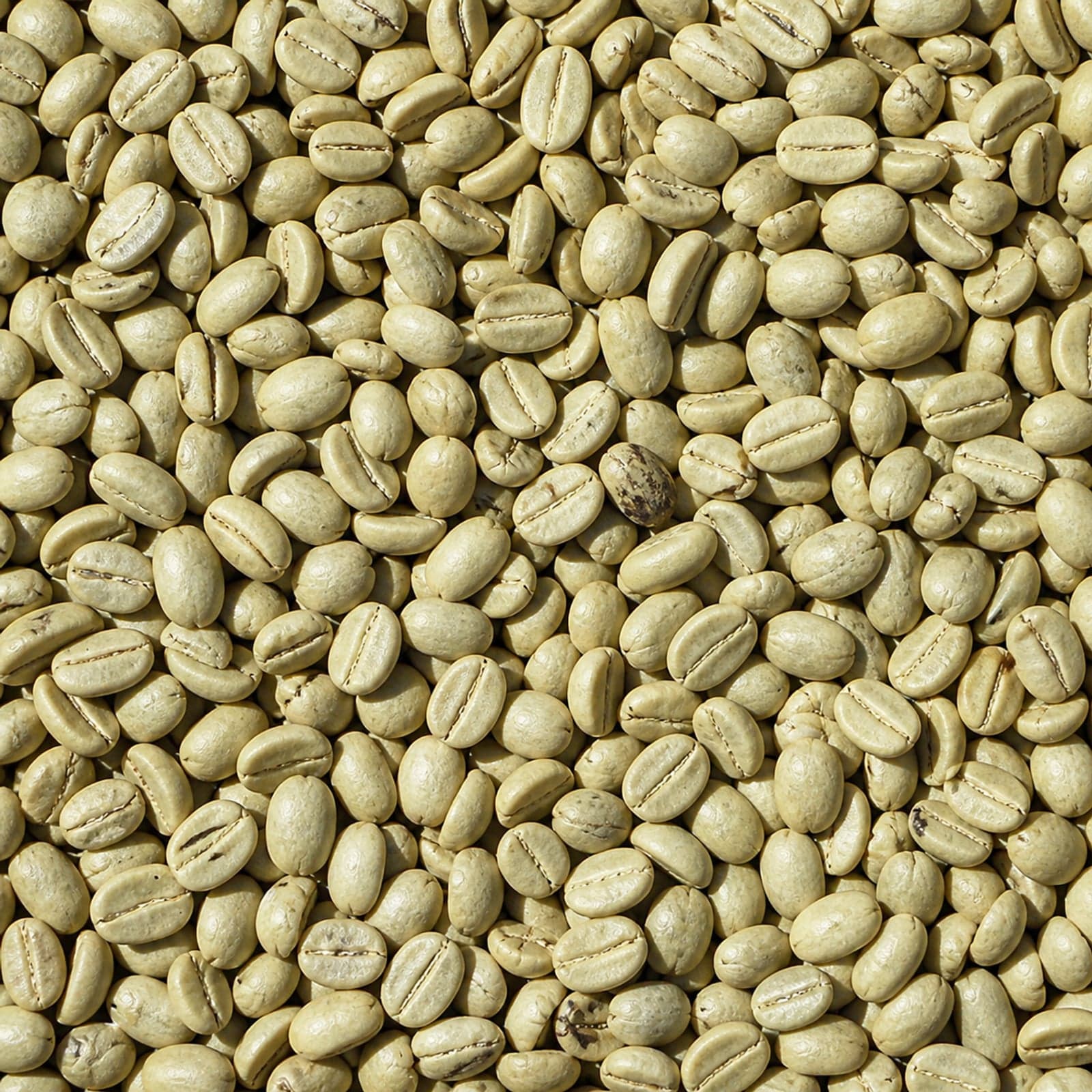
  • Green coffee is the standard season-contract format. Recurring roasted programmes can also be scheduled against an allocated green supply.

Who season contracts are for

  • Coffee importers and distributors

    Secure a repeatable specification and shipment schedule for customers who expect the same origin and grade throughout the year.

  • Roasters

    Reserve green coffee for a house blend, single-origin line or seasonal programme before the preferred lots are fully allocated.

  • Soluble and extract manufacturers

    Contract robusta by defect grade, screen, moisture and, when required, caffeine range, with monthly releases aligned to production demand.

  • Retail and private-label programmes

    Hold the green allocation behind an approved roast profile so repeat production does not depend on whatever coffee is available on the spot market.

Indonesian coffee available for season supply

  • Specialty and commercial arabica

    Arabica can be contracted by SNI grade, SCA defect count, screen retention, moisture and cup-score range. Grade 1 specialty lots are finite and should be discussed before or during the relevant harvest.

    • Gayo and Lintong, Sumatra
    • Ijen, East Java
    • Kintamani, Bali
    • Bajawa, Flores
    • Toraja, Sulawesi
  • Volume and industrial robusta

    Robusta is available from Grade 1 through Grade 6, including the Grade 4a and 4b split. Screen designation is contracted separately as screen 13 up or screen 16 up where available.

    Lampung and Kolaka carry the largest recurring volumes. Java can provide a milder blend component, while Bali and Flores work as smaller allocations or secondary origins.

    • Lampung and South Sumatra
    • Garut and Temanggung, Java
    • Pupuan, Bali
    • Manggarai and Lombok
    • Kolaka, Southeast Sulawesi

Build supply security before you need it

A second origin is easier to approve before a disruption than during one.

Buyers using Lampung as their main robusta can qualify Java, Kolaka or Flores as an alternate. Both coffees are sampled and specified in advance so a crop, port or logistics problem does not force an untested substitution.

For arabica programmes, we can compare origins by process, cup profile, screen and availability before the season schedule is agreed.

How a season contract works

  1. 01

    Send your purchasing specification

    If you are matching an existing coffee, send its specification sheet or a representative sample.

    • Arabica or robusta
    • Preferred origin or acceptable alternatives
    • Green or contract roasted
    • Grade and screen
    • Moisture limit
    • Cup-score floor or caffeine requirement
    • Volume per release
    • Number and timing of shipments
    • Destination port
    • Required certifications
  2. 02

    Compare available lots

    We send the relevant offer sheets and samples.

    Green samples are supplied with the available grading information. Roasted programmes begin with a reference sample, target Agtron number or roast curve.

  3. 03

    Agree the specification and schedule

    The contract records the coffee, quality specification, volume, shipment windows, price basis, incoterm and required documents.

    Pricing can be quoted as a flat USD amount per metric tonne or, where appropriate, against a named futures month plus an agreed differential.

  4. 04

    Check each release before shipment

    Before stuffing, the shipment is checked against the contracted specification.

    The grading record identifies the lot, grade, defect count, screen retention and moisture. Arabica shipments also carry the agreed cup information. A pre-shipment sample can be supplied on request.

  5. 05

    Release the contracted volume

    Each shipment is booked against the agreed schedule. Commercial and quality documents are tied to the shipment and confirmed before the container departs.

Quality controls on every shipment

  • Specification before purchase

    The offer identifies the grade, screen, moisture, defect count and relevant cup or laboratory information before you approve the coffee.

  • Retained reference samples

    A sealed reference sample is held for the life of the contract, providing a basis for comparing an arrival sample with the coffee that was approved.

  • Pre-shipment verification

    Coffee is checked again before loading. Independent inspection at the loading port can be arranged when the contract requires third-party verification.

  • Lot-linked documentation

    The sample, grading record, packing list and shipment documentation identify the contracted coffee by lot.

Minimum shipment volumes

A standard green-coffee release is normally one 20 ft container, approximately 19.2 metric tonnes.

Half-container releases of approximately 9.6 metric tonnes may be available on Bali and Nusa Tenggara lots, subject to the origin, grade and consolidation plan.

  • Recurring roasted programmes

    Production minimums depend on the coffee and roast profile:

    • 300 kg on the Flores natural arabica programme
    • 500 kg per profile on most arabica and island robusta programmes
    • 1,000 kg per profile on Lampung and Kolaka robusta

Pricing and shipment terms

The quotation states the pricing method, validity period, loading port, shipment window and payment schedule.

Standard payment terms are 30% with the confirmed order and the balance against a copy of the bill of lading, unless the signed contract states otherwise.

  • A flat USD price per metric tonne
  • A named futures month plus a contracted differential
  • FOB, CFR or CIF terms for green coffee
  • FOB, CIF or DAP terms for roasted coffee

Request a season supply plan

Tell us the coffee, monthly volume, destination port, and shipment window. We will reply with suitable origins, pricing structure, and a proposed release schedule.

Submitting opens the request in your email app so you can review it before sending. We normally reply within one business day and use your details only for this enquiry.

Certifications and export documents

Certified supply is subject to availability on the physical contracted lot.

Certification transaction documents are matched to the relevant shipment. ISO 22000 covers the applicable Jakarta handling and grading operation.

Confirm the required document list before contracting so it can be built into every release.

  • Organic EU or NOP
  • Fairtrade
  • Rainforest Alliance
  • 4C
  • Halal, BPJPH
  • Standard export document set

    The standard export document set can include:

    • Commercial invoice
    • Packing list
    • Certificate of origin
    • Phytosanitary certificate
    • Bill of lading
    • Grading sheet
    • Cupping or quality record
    • Loading photographs
    • Relevant certification documents

Season contract or spot purchase?

  • Choose a season contract when

    • You need repeat monthly or scheduled volume
    • Your recipe depends on a stable specification
    • Certified volume must be reserved
    • You want a primary and alternate supply origin
    • You need shipment dates planned against production or customer commitments
  • Choose a spot offer when

    • You need only one shipment
    • You can accept the lots currently available
    • Origin or cup profile can change between purchases
    • You want to compare suppliers before committing recurring volume

Frequently asked questions

Contract timing, release schedules, pricing, consistency and certified volume.

When should we contract the next harvest?

Begin the discussion before the relevant harvest or while the crop is being allocated. Certified and higher-scoring lots are generally committed first. If the season is already open, we can quote the unallocated volume that remains.

Do we have to take every shipment at once?

No. The contracted volume can be divided into agreed release windows. Each release must still meet the applicable minimum shipment volume.

Can we use more than one origin?

Yes. We can quote a primary origin and assess a secondary option for supply security. Each origin keeps its own specification, grading record and lot identity.

Can the price be fixed for the whole season?

Depending on the coffee and contract, pricing may be fixed in USD per metric tonne or linked to a named futures month plus an agreed differential. The applicable method is stated in the quotation and contract.

How do you keep shipments consistent?

The contract defines the measurable specification. Every release is graded before shipment, relevant samples are retained, and a pre-shipment sample can be supplied for approval or comparison.

Can certified volume be reserved?

Yes, when certified coffee is available from the relevant producer group. Certification status and transaction-document requirements must be confirmed before the volume is contracted.

What happens if our shipment timing changes?

Tell us as early as possible. Changes depend on coffee allocation, mill scheduling, warehouse capacity and vessel availability. Any revised schedule must be confirmed in writing.

Can you supply roasted coffee monthly?

Yes. Recurring roasted programmes are scheduled against an allocated green coffee and an approved roast profile. The minimum applies to each profile, and the production schedule is agreed before the programme begins.

Plan your season supply before allocation closes

Tell us your monthly tonnage, required specification and destination port. We will reply with suitable origins, pricing structure and a proposed release schedule.

Samples and supporting specifications can be arranged before the contract is finalized.