Why Indonesian arabica tastes the way it does
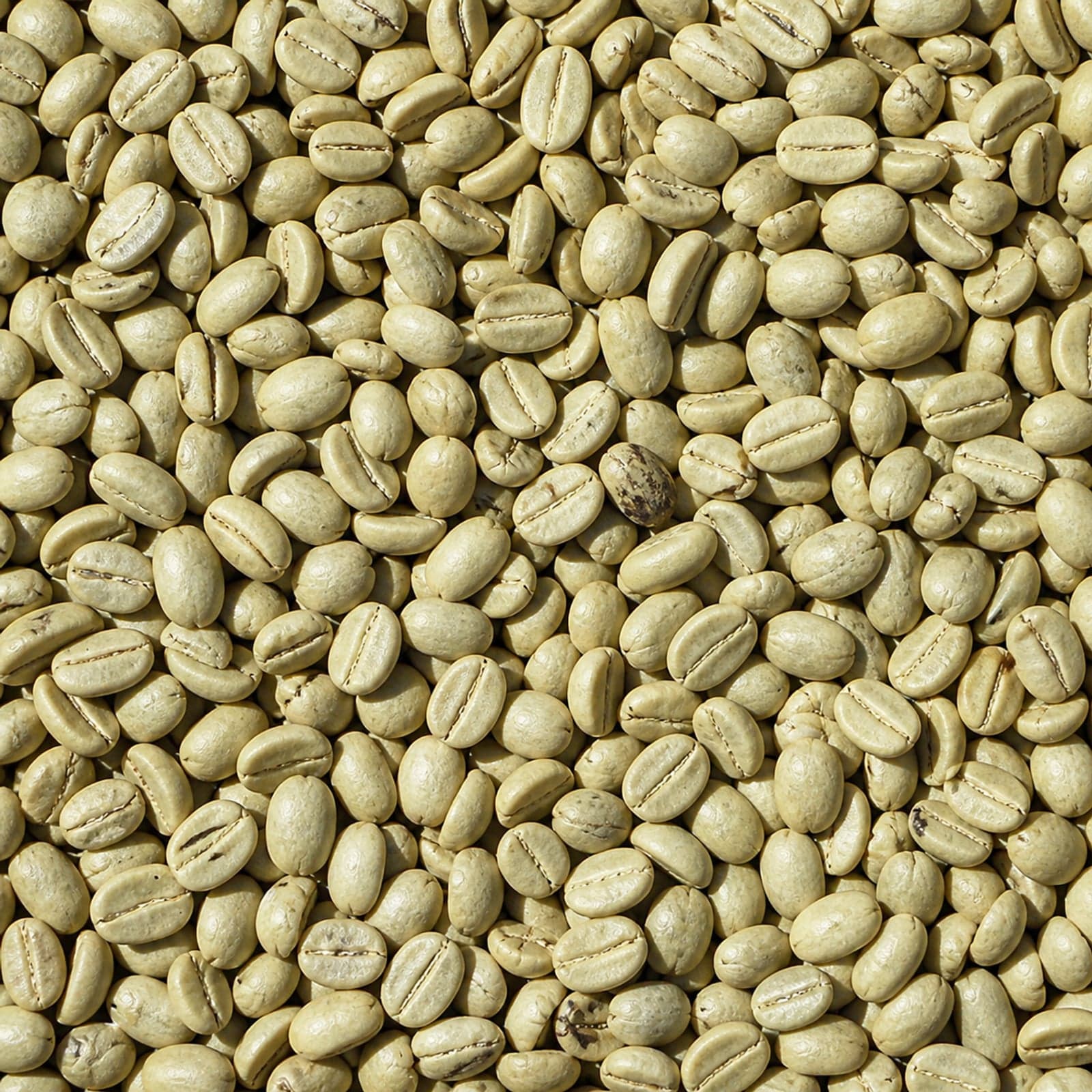
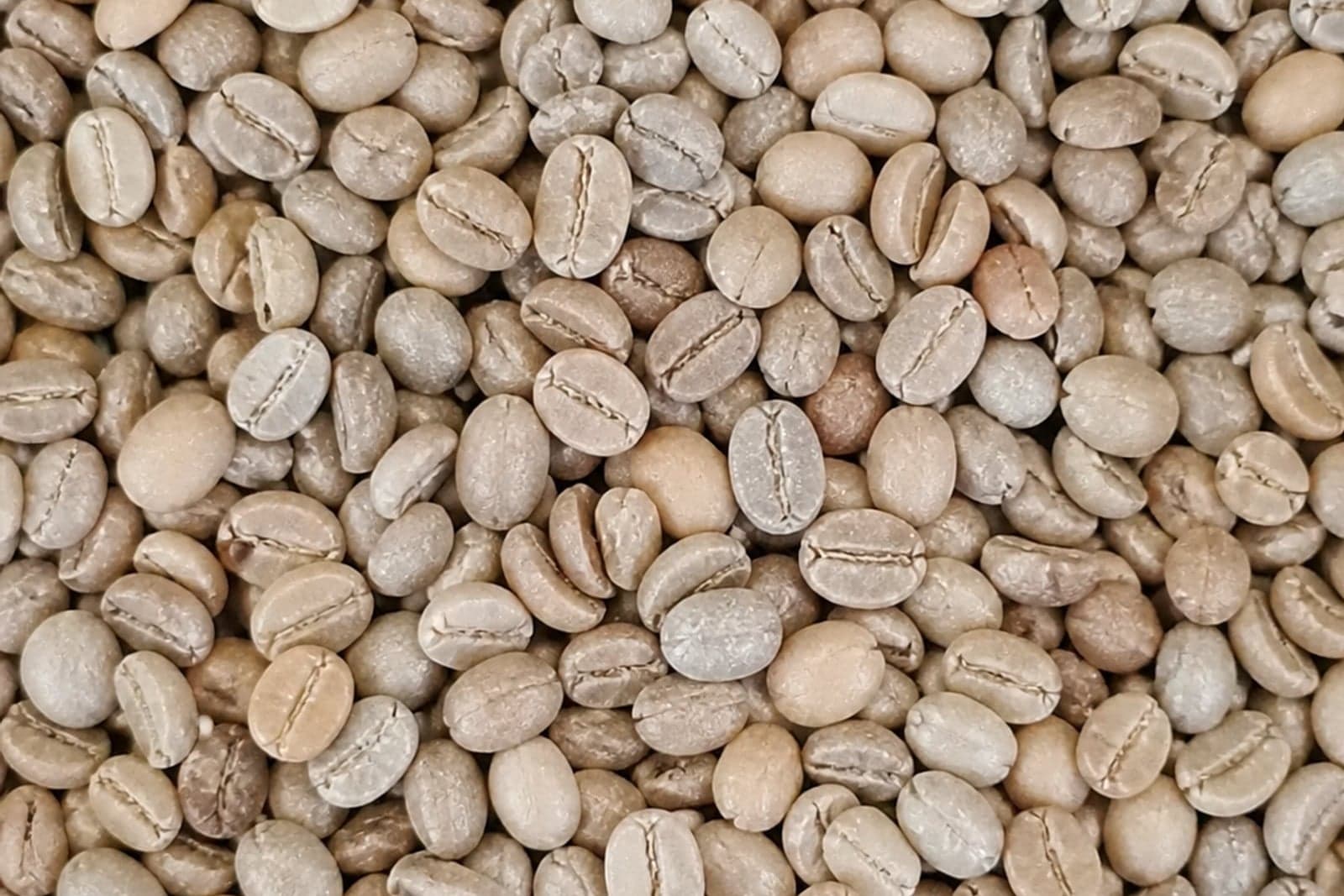
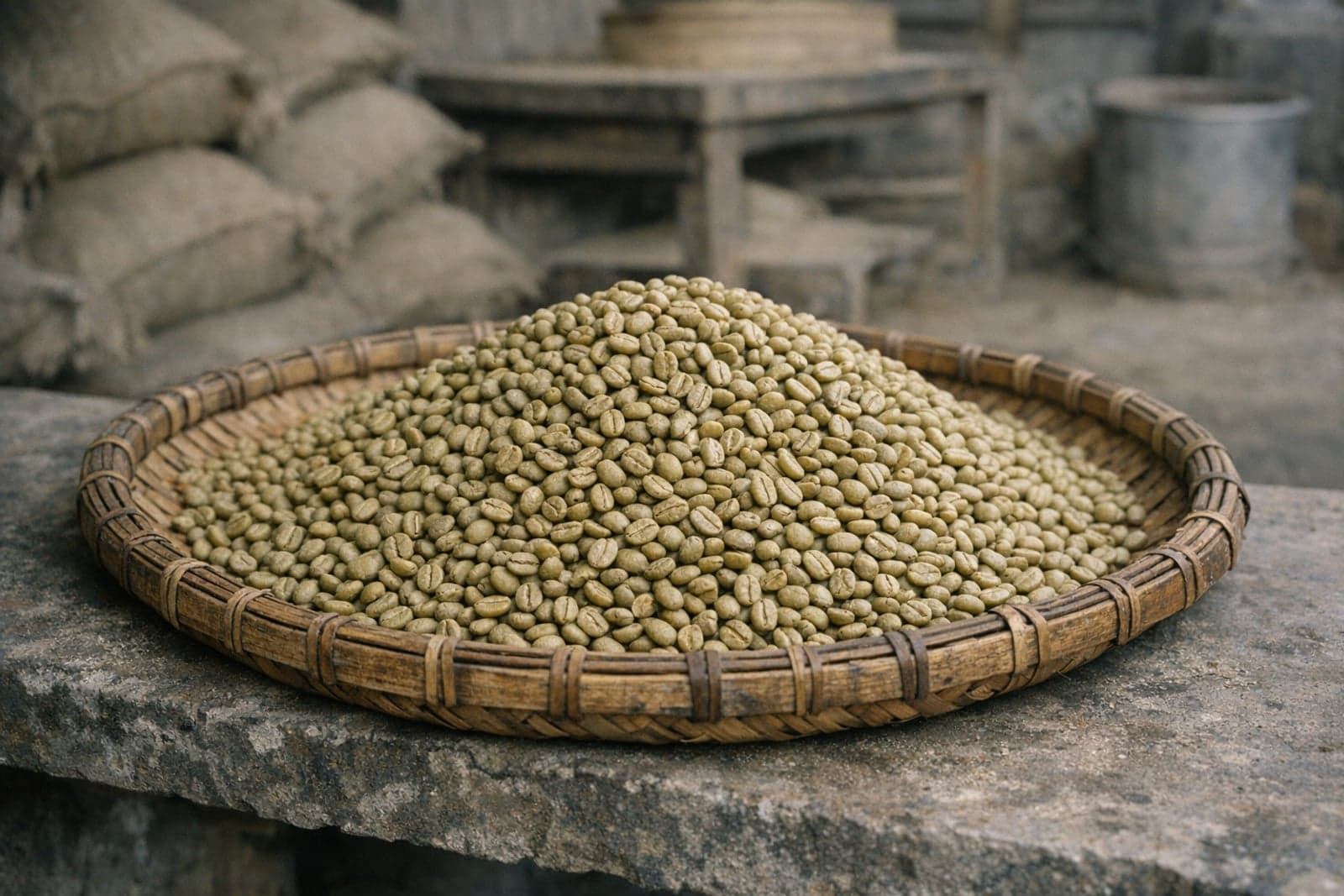
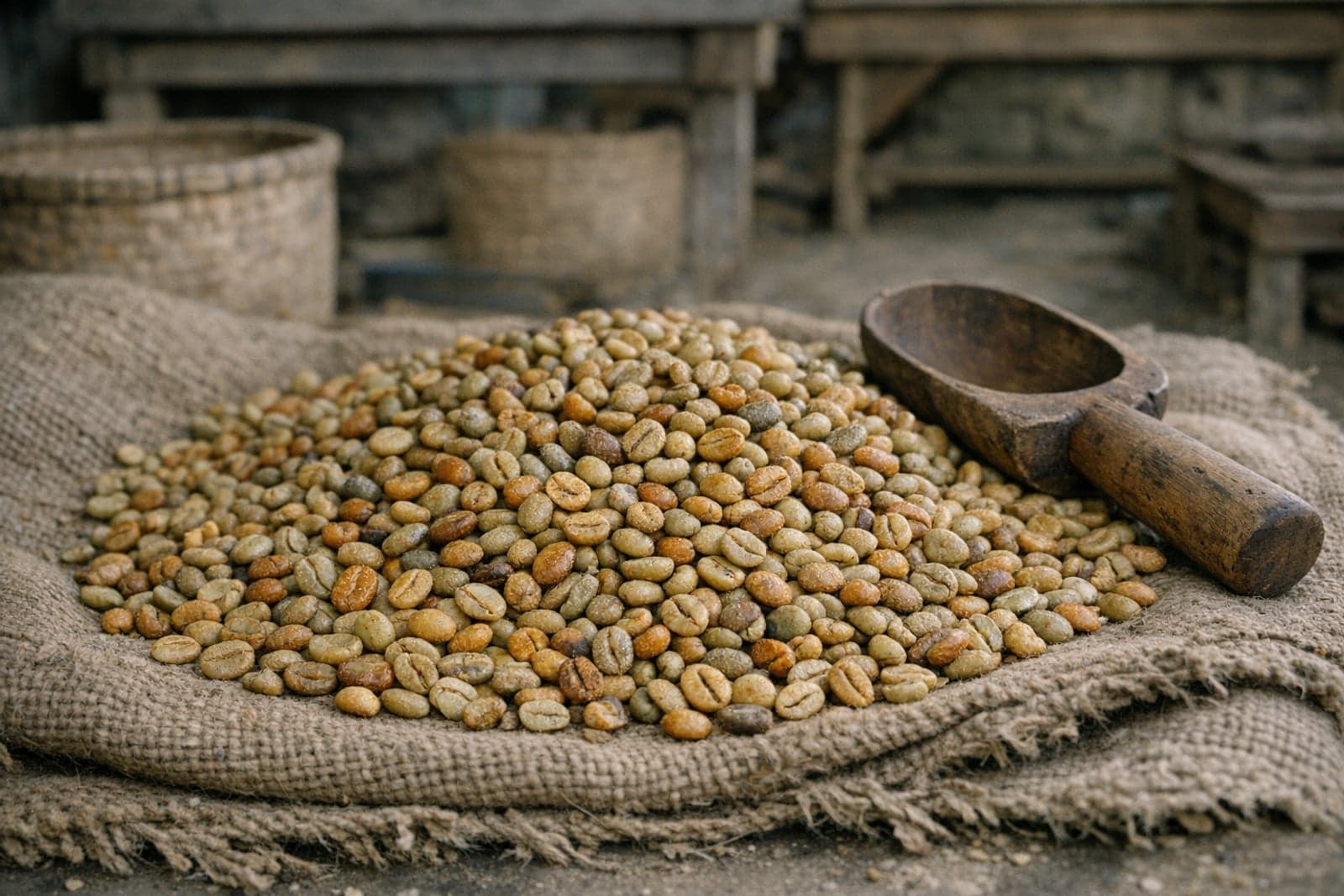
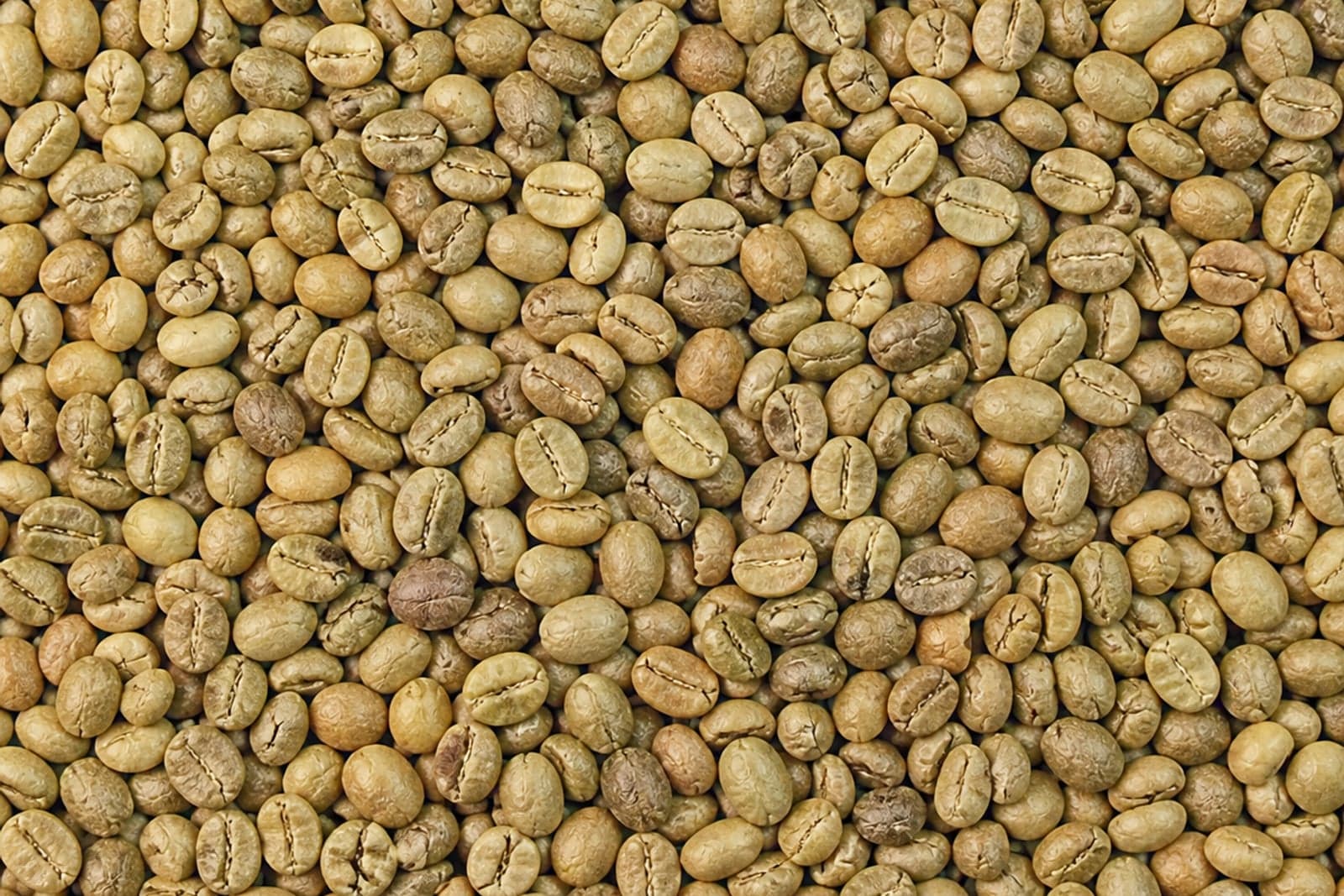
Two things set it apart. The first is altitude combined with equatorial rainfall, which gives long, uneven ripening and a dense bean. The second is wet hulling, the giling basah method used in Aceh and Toraja, where parchment is removed at 30 to 50% moisture instead of 11%. That single step is responsible for the swollen bluish bean, the low perceived acidity, and the heavy, savoury, cedar-and-earth cup that people mean when they say a coffee tastes Sumatran. Washed lots from Java and Kintamani, and the natural dried Bajawa lots, sit at the other end of the same catalogue.