Skip to content
Nusantara Origins

Indonesian Robusta Coffee Beans for Wholesale Export

Robusta from Lampung, Java, Bali, Flores and Kolaka in every grade from 1 to 6, for soluble extraction, espresso blends and volume roasting.

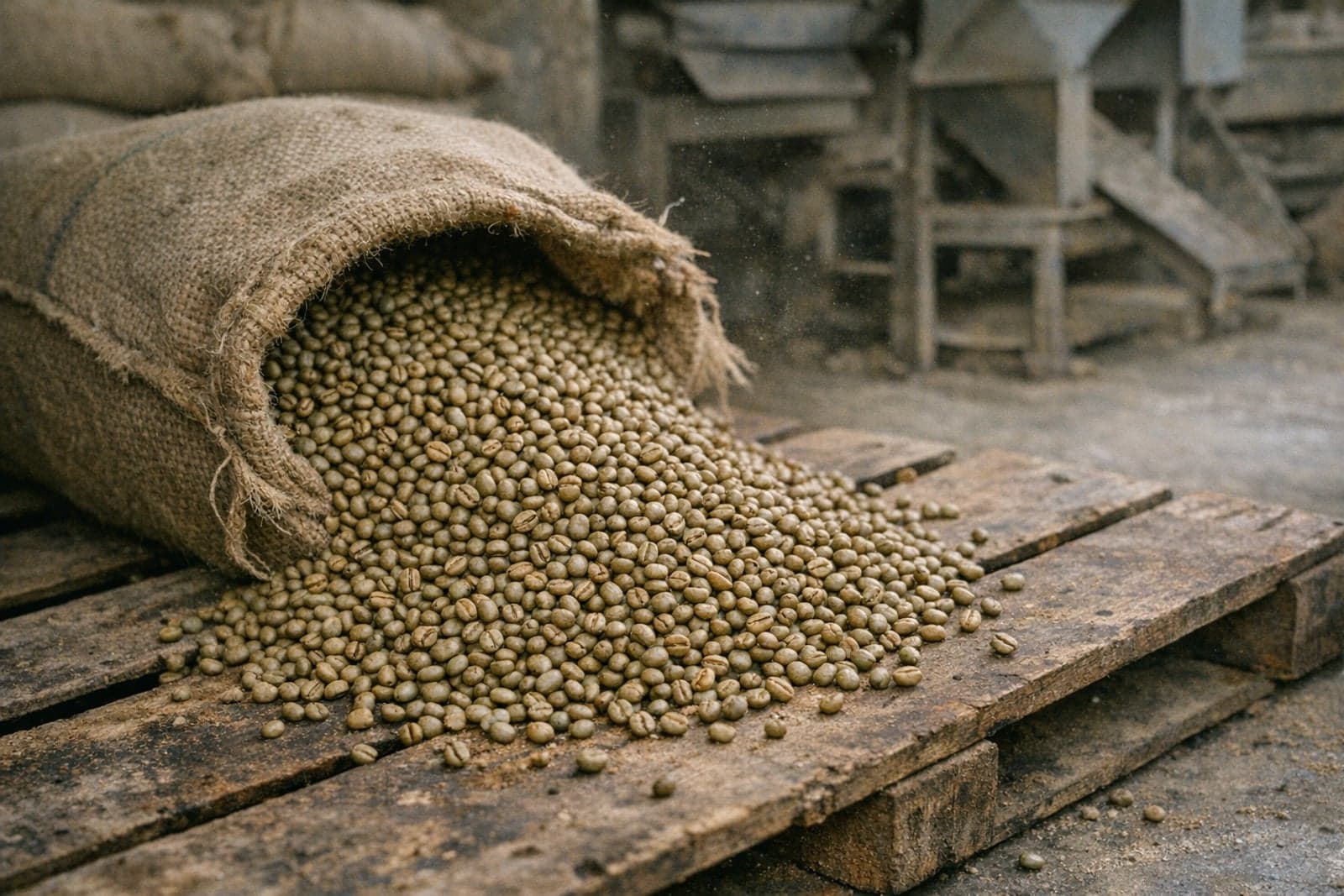
Robusta is what Indonesia ships in volume, and it is bought on numbers rather than on romance. Our coffees come from Lampung and South Sumatra, Garut and Temanggung in Java, Pupuan in Bali, Manggarai on Flores, and Kolaka in Southeast Sulawesi. Each one is quoted across the full SNI 01-2907 ladder, Grade 1 through Grade 6 with the 4a and 4b split, and the screen designation is contracted separately as EK-1 screen 16 up or screen 13 up. Moisture is held at 12.5% maximum, and the buyers split between soluble manufacturers, extract producers, and roasters building espresso blends that need body and crema.

  • Grades 1 to 6, including 4a and 4b
  • EK-1 screen 16 up or screen 13 up
  • Moisture 12.5% maximum

Send your required grade, monthly tonnage, caffeine target, and destination port.

Lots in this category

10 coffees

EK-1, the grade ladder, and what the numbers mean

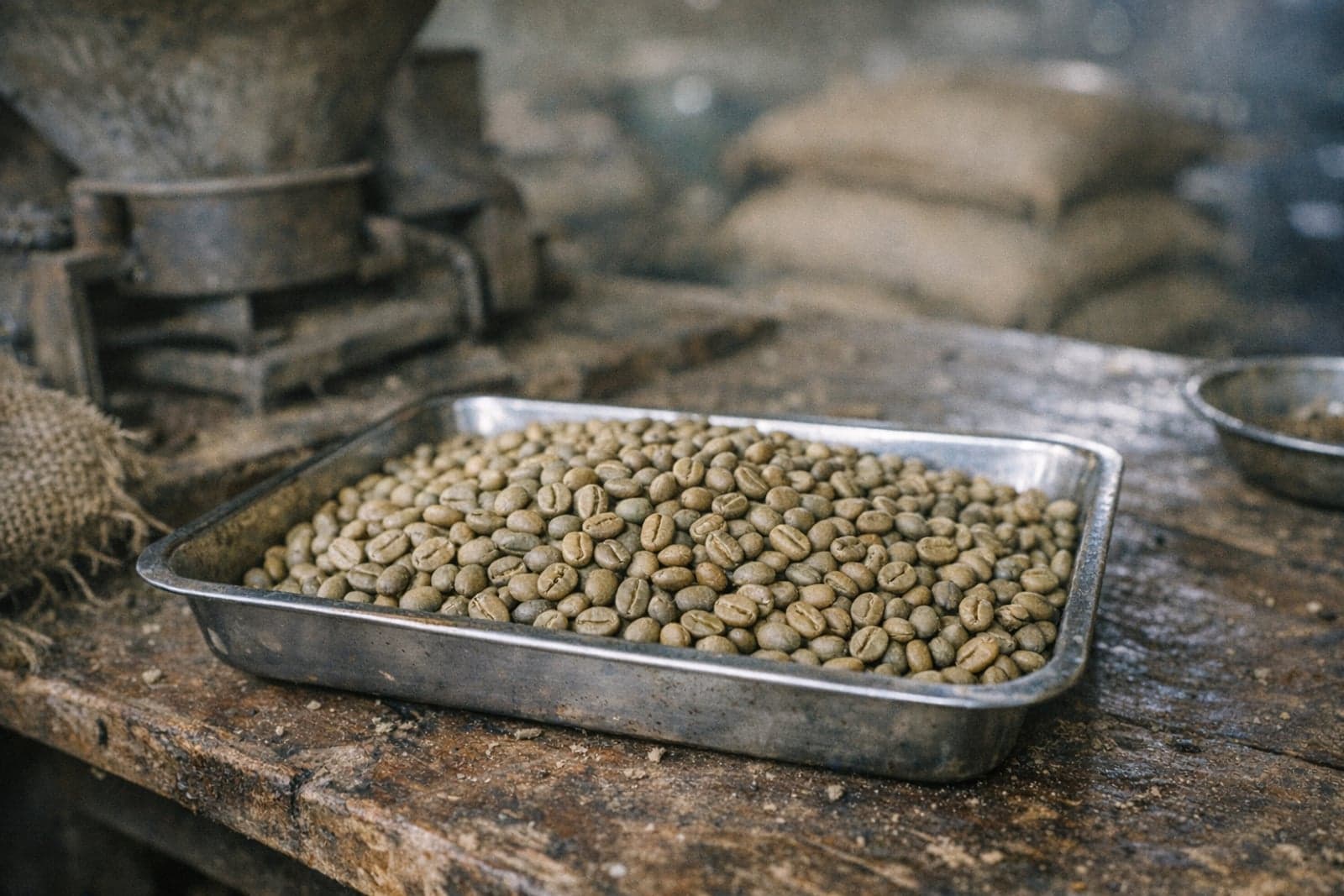
Indonesian robusta is graded under SNI 01-2907 on a defect value system: Grade 1 allows a maximum of 11 defect values per 300 g, Grade 2 runs 12 to 25, Grade 3 26 to 44, Grade 4a 45 to 60, Grade 4b 61 to 80, Grade 5 81 to 150, and Grade 6 151 to 225. Each defect type carries a different weight, so one large stone counts far more than one broken bean. EK-1 is a screen designation rather than a grade, meaning screen 16 and above with 90% retention. A coffee can be Grade 1 without being EK-1, or EK-1 at Grade 4b, which is why we publish and contract both figures instead of one label.

Buying robusta for soluble and extraction

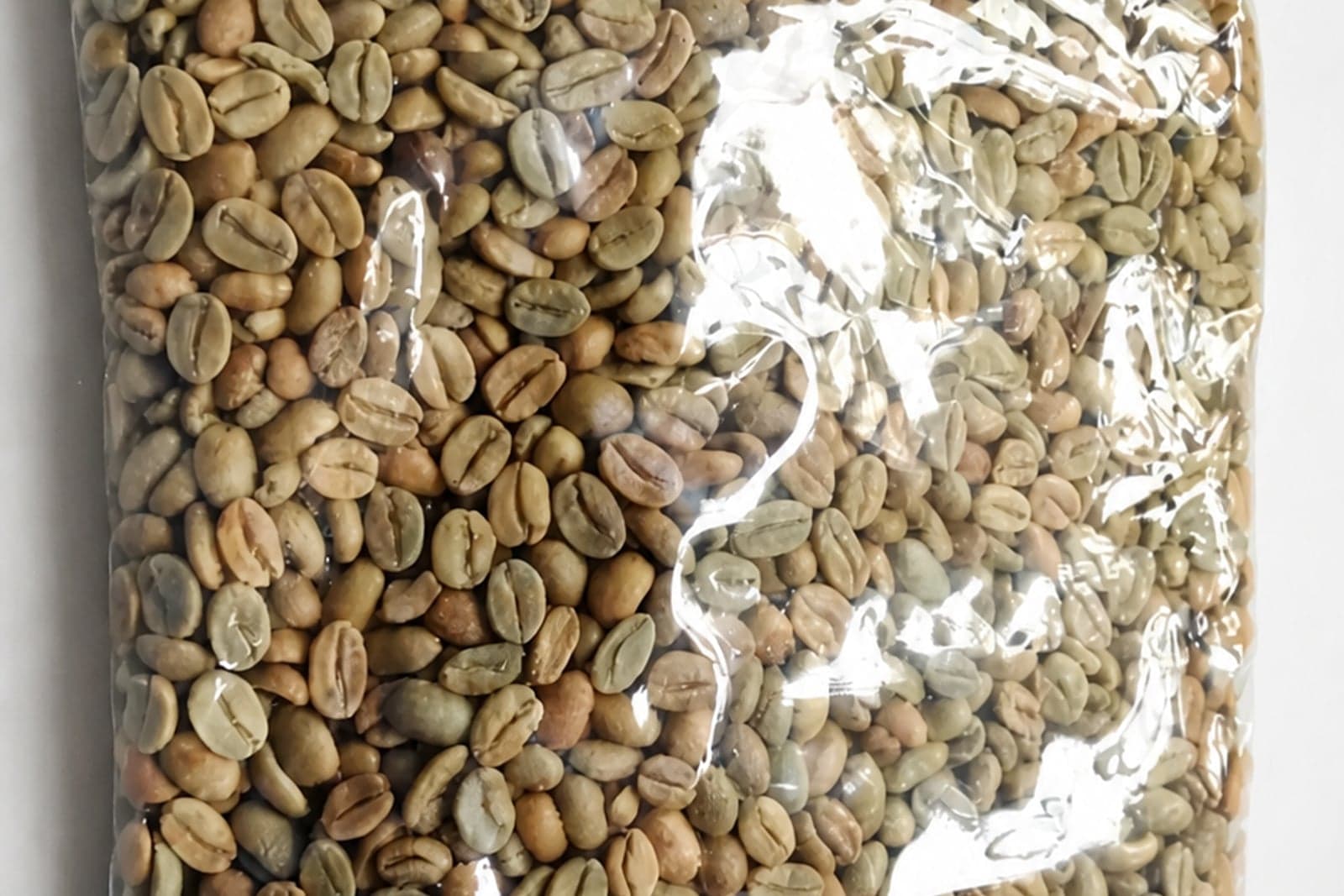
Soluble and liquid extract manufacturers care about yield, caffeine, and consistency far more than cup nuance. Our robusta runs 2.0 to 2.8% caffeine on a dry basis depending on island, with Kolaka and Lampung at the top of that range. Because moisture drives both extraction yield and storage risk, every lot is re-dried at the mill and checked again in Jakarta before stuffing. Uniform screen size matters here too: mixed sizes roast unevenly and shift the extraction curve batch to batch.

Robusta in espresso and traditional blends

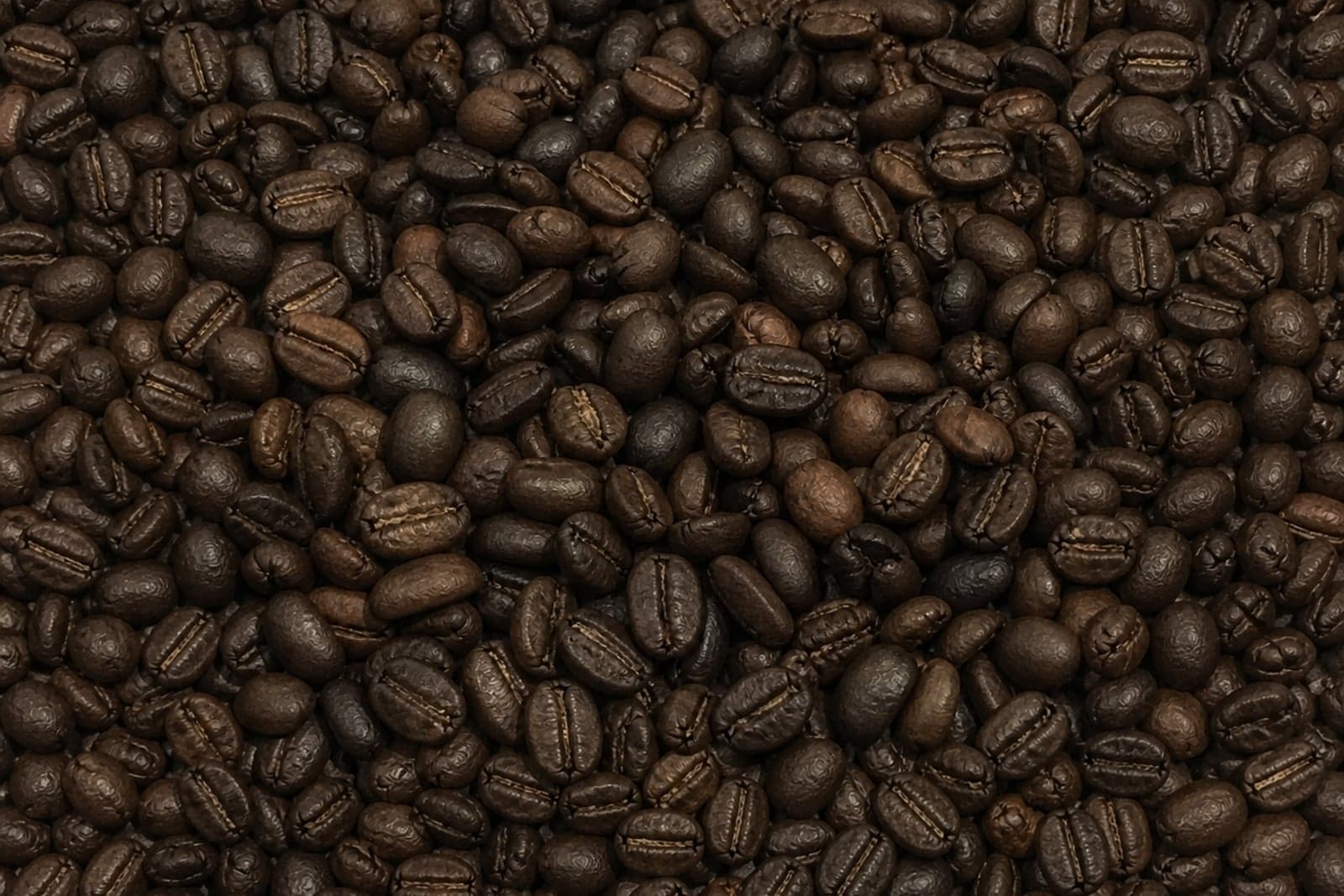
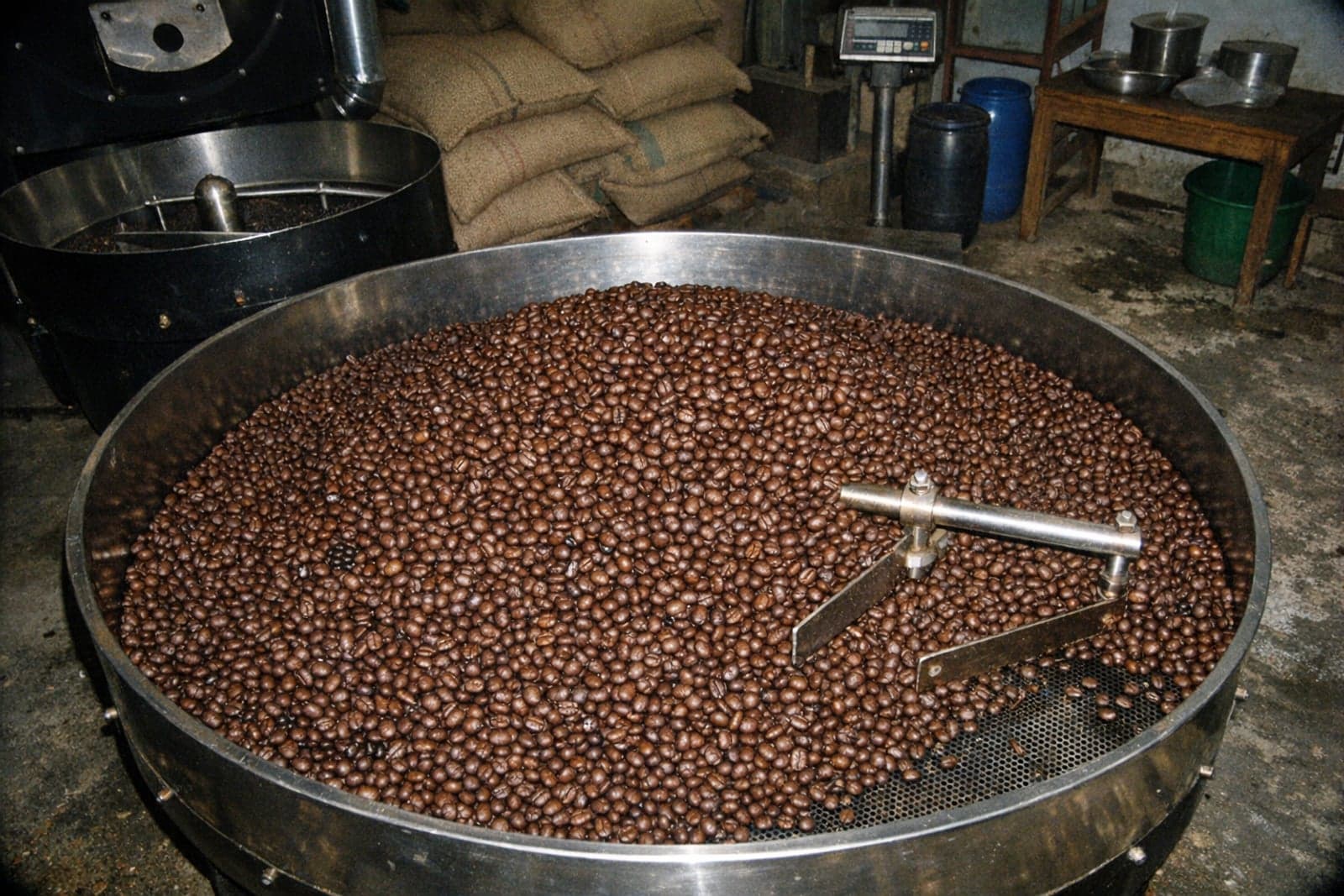
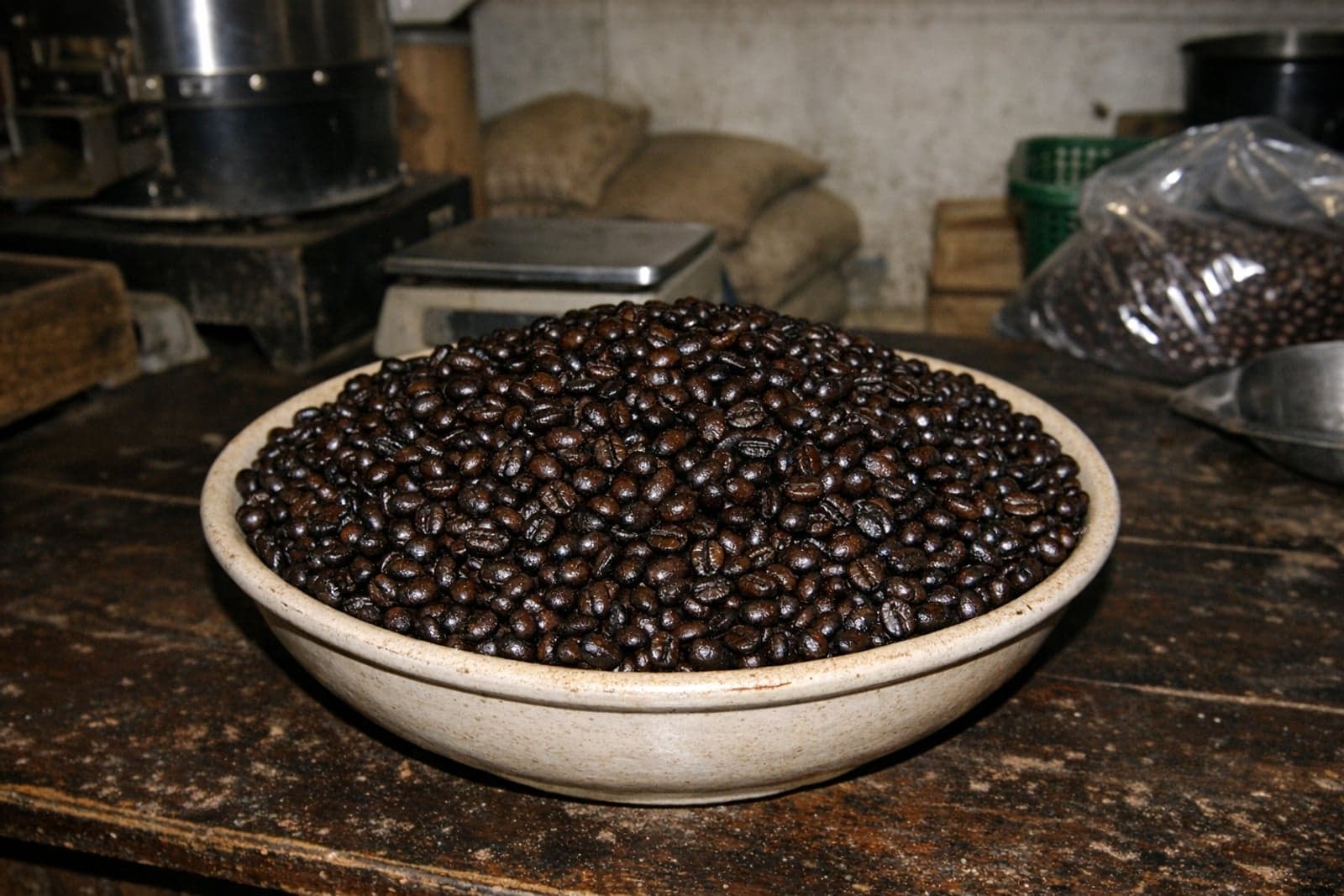
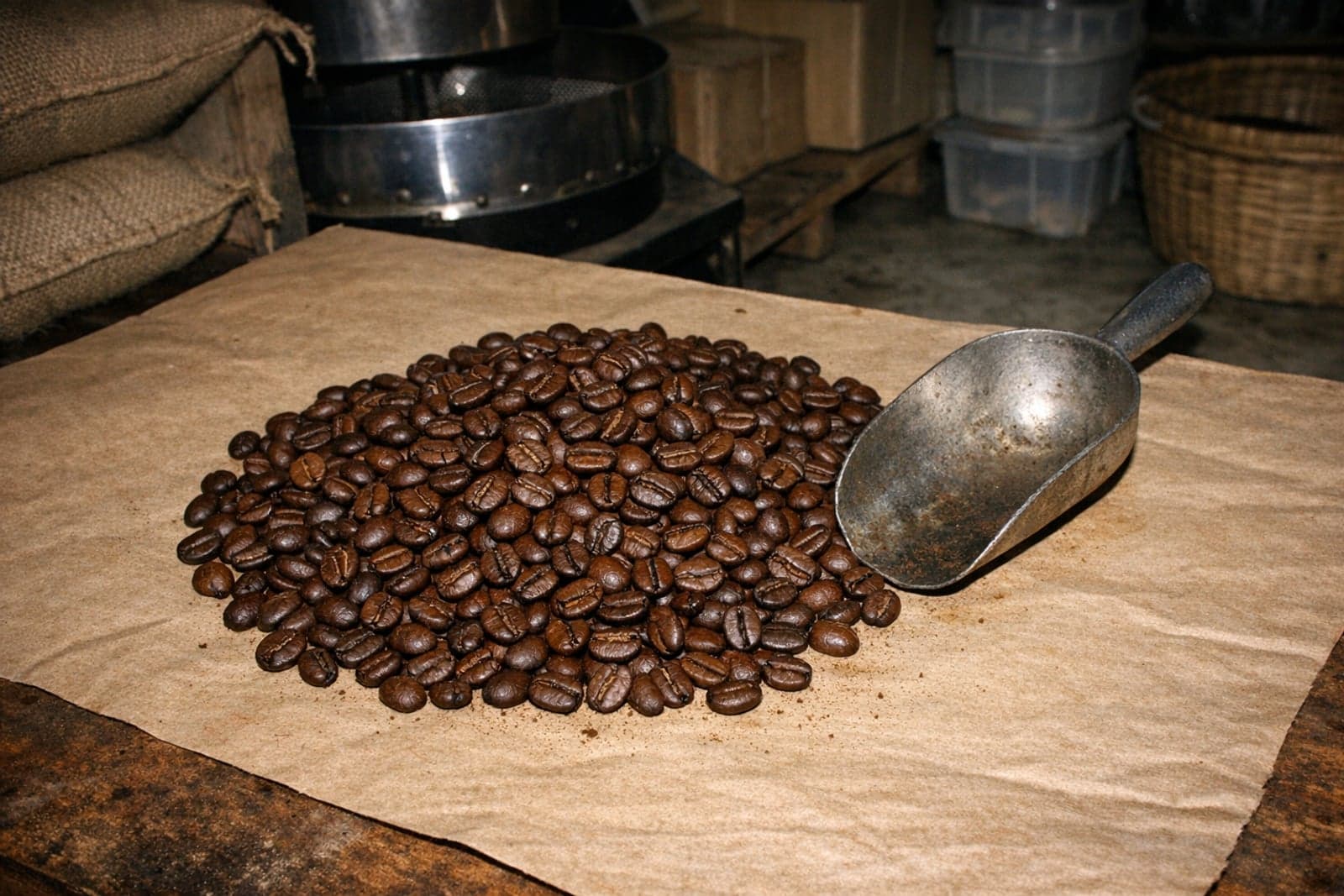
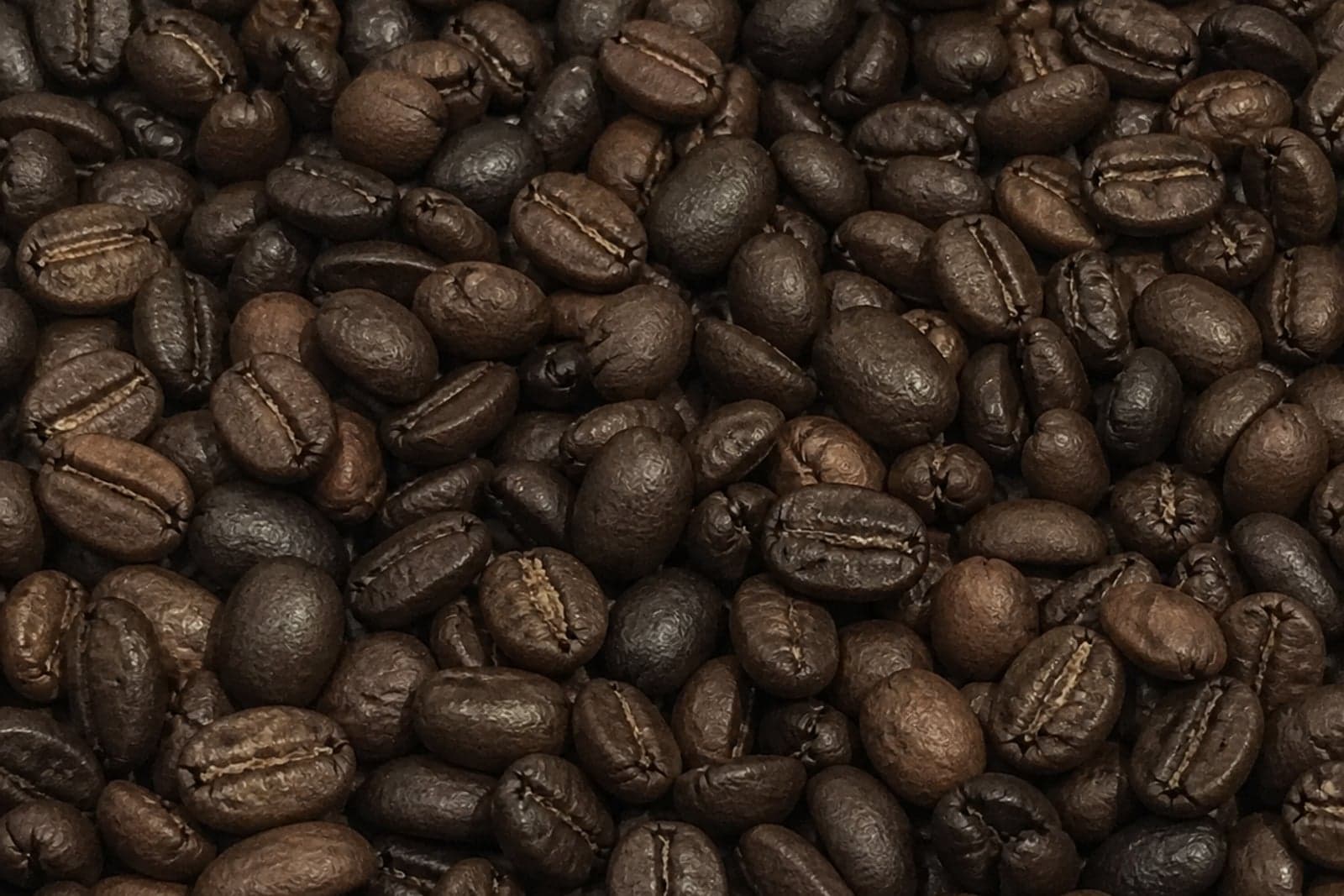
Ten to thirty percent robusta in an espresso blend adds body, lowers perceived acidity, and produces the thick, persistent crema that Italian style customers expect. Indonesian robusta is well suited to that job because it is heavy and low in acid rather than sharply rubbery. Dark roasted Lampung and Kolaka lots are our most requested profiles for espresso and for traditional tubruk, and the same greens are available for buyers who roast the blend themselves.

Frequently asked questions

Ordering, samples, shipping, and payment.

What is the difference between EK-1 and the SNI grade?

Grade 1 is a defect grade under SNI 01-2907, a maximum of 11 defect values per 300 g. EK-1 is a screen designation, screen 16 and above at 90% retention. They measure different things, so we publish and contract both: Sumatra and Sulawesi ship EK-1 as standard while Java, Bali and Flores screen 13 up, and any of them can be taken at any grade from 1 to 6.

What caffeine content do your robusta lots carry?

Between 2.0 and 2.8% on a dry basis depending on island. Kolaka in Sulawesi runs 2.3 to 2.8%, Lampung 2.2 to 2.7%, and the Java, Bali, and Flores lots between 2.0 and 2.6%. Figures are indicative for the crop and confirmed by laboratory analysis on request for extraction and soluble contracts.

Can you supply robusta on a recurring monthly volume?

Yes, and most robusta business is contracted that way rather than as spot containers. Tell us monthly tonnage, screen and defect requirements, and destination port, and we will price a season contract with a shipment schedule. Lampung and Kolaka carry the largest available volume, with Java second.

How is robusta quality checked before shipment?

A 300 g sample is counted for defect values under SNI 01-2907, screen retention is measured on sieves, and moisture is verified on a calibrated meter after re-drying at the mill and again in Jakarta before stuffing. Foreign matter is removed on gravity tables and by density sorting. The signed grading sheet ships with the container.

Get current prices & availability

Send the island, species, grade, and volume. You get an indicative price, current availability, and 300 g green samples with the grading sheet. Courier cost credited against the first contract.