Skip to content
Nusantara Origins

Kintamani Coffee Beans from Bali, Organic and Fairtrade

Washed arabica from subak abian cooperatives on the Batur slopes, mostly certified, plus hand sorted Pupuan robusta.

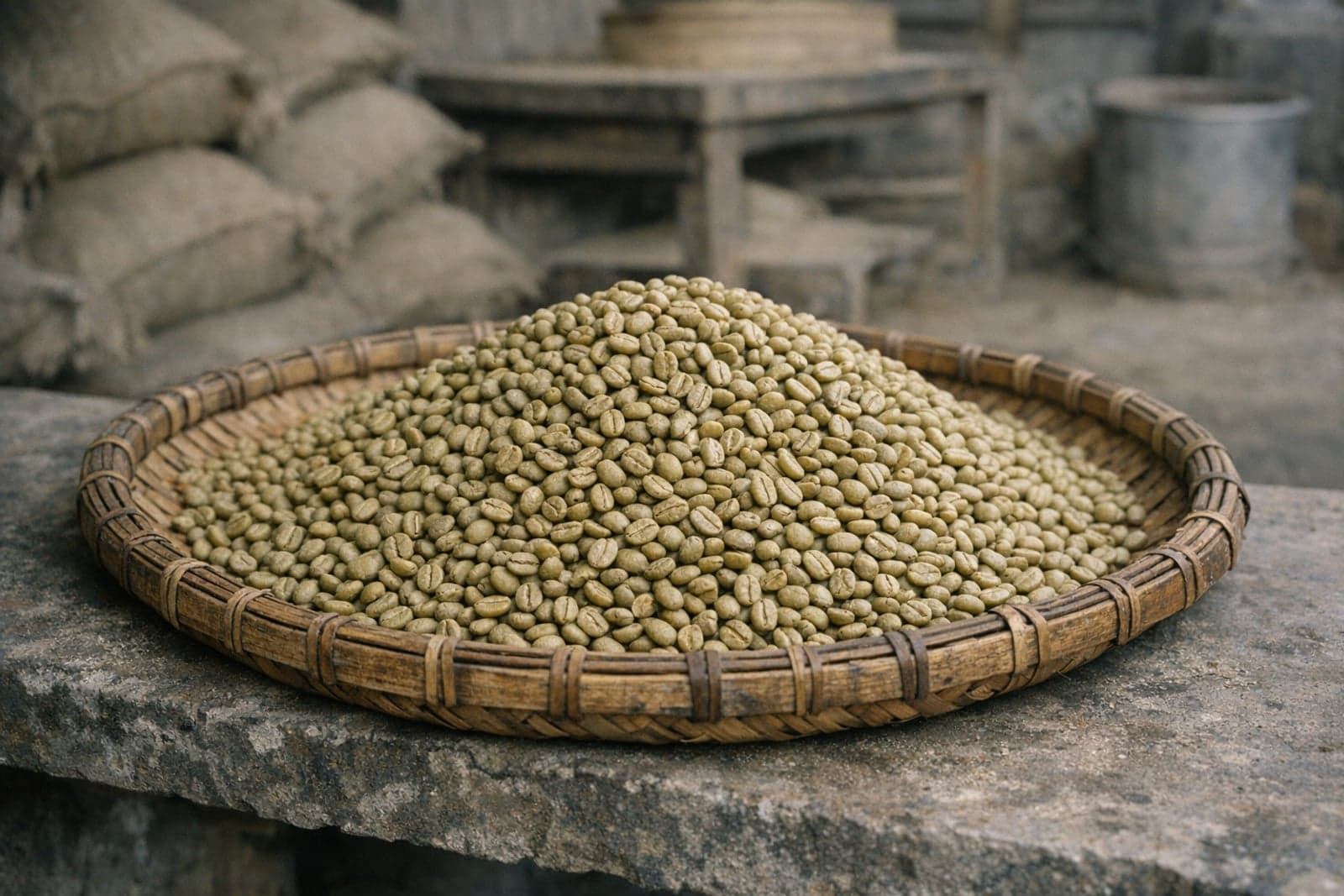
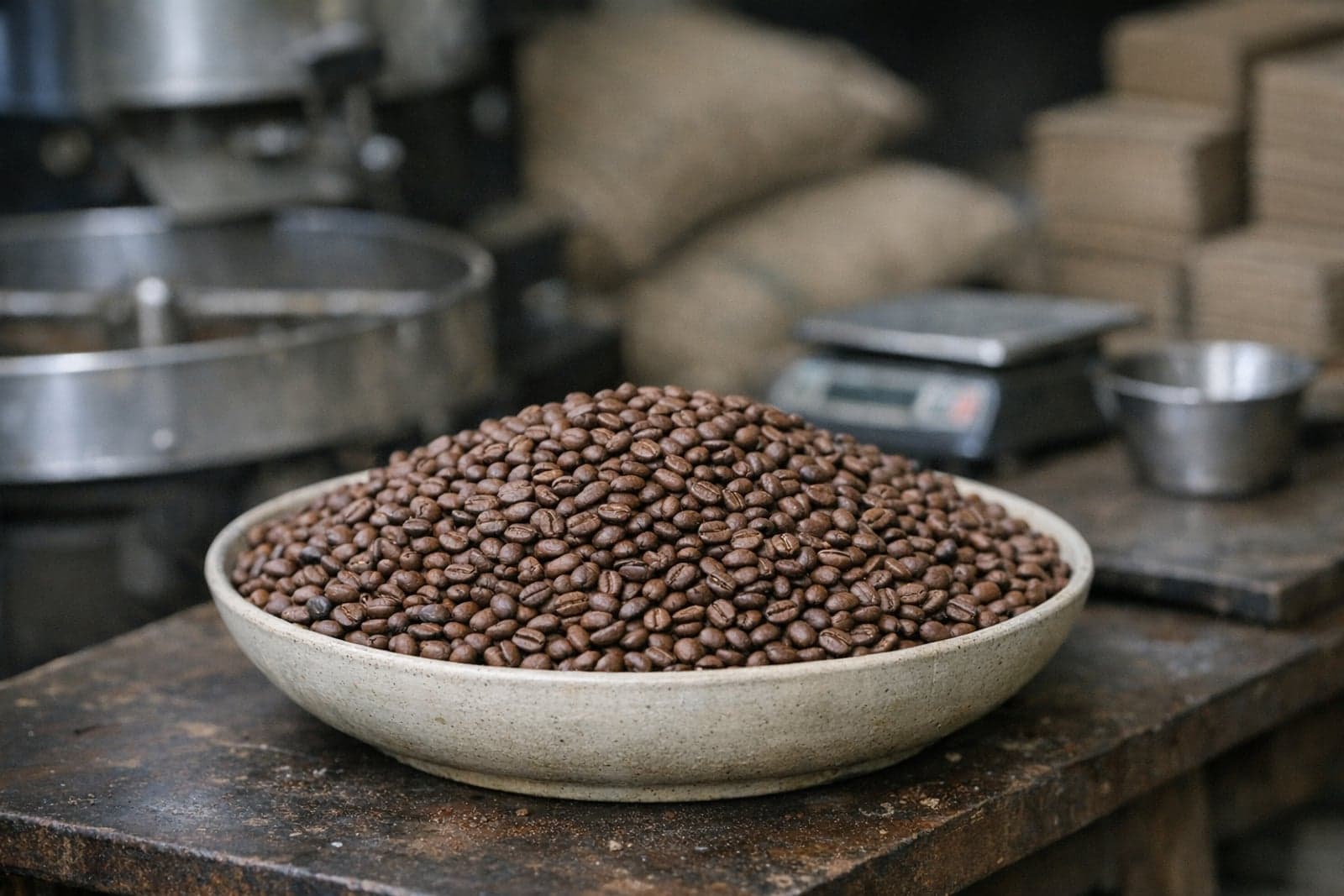
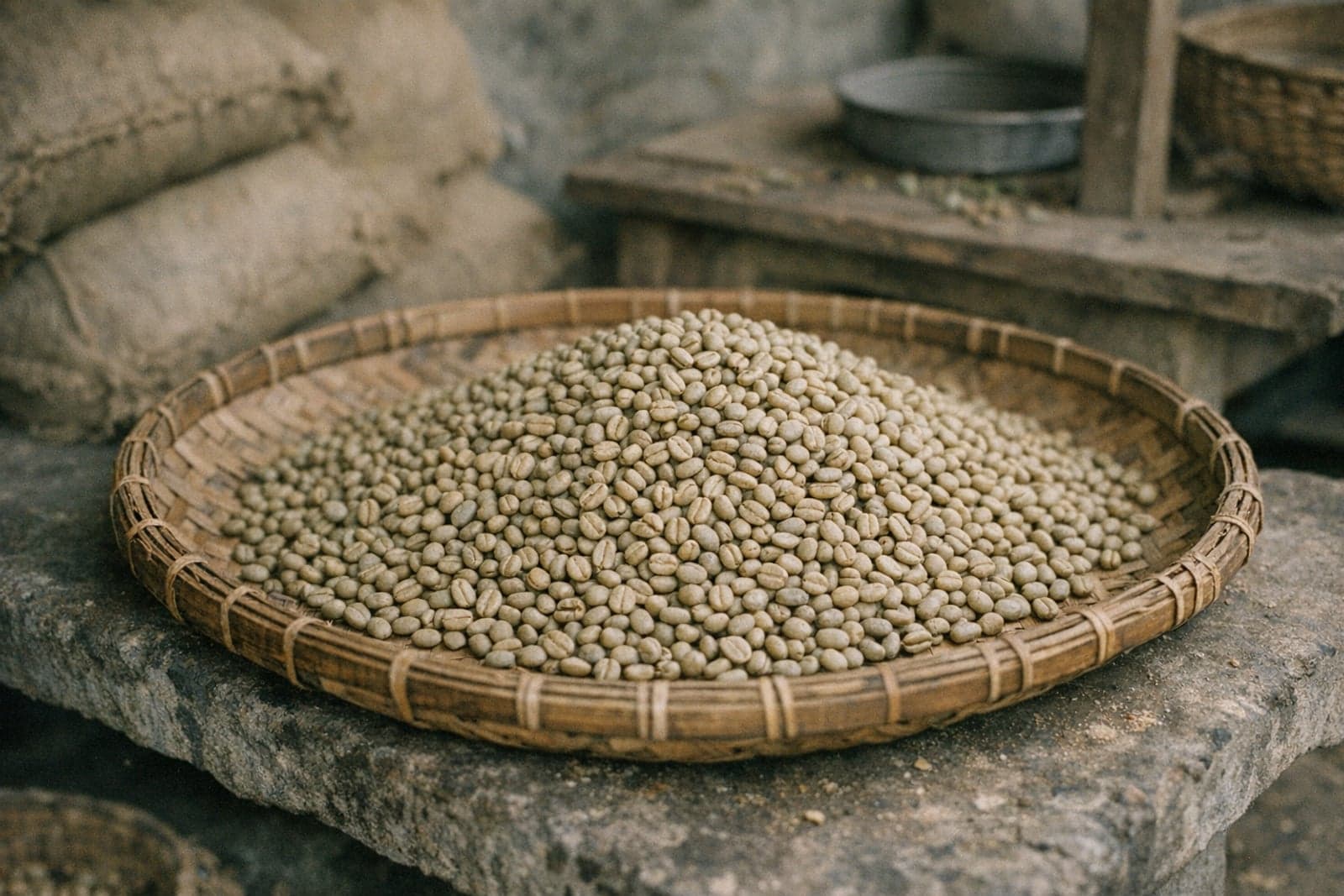
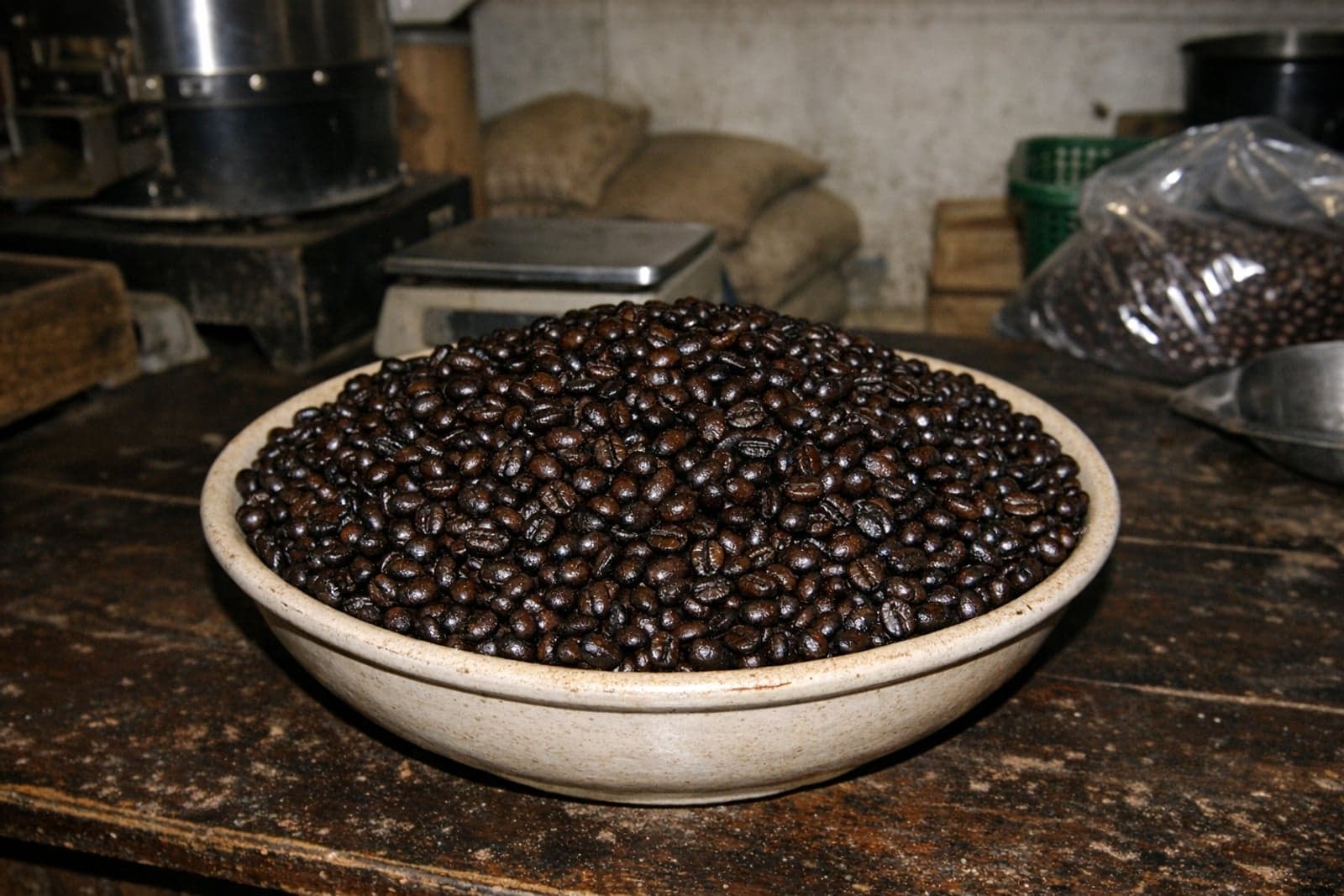
Bali's coffee comes almost entirely from the Kintamani highlands on the slopes of Mount Batur, where arabica grows between 1,200 and 1,600 metres in gardens intercropped with mandarin and other citrus. The farms are organised into subak abian, the traditional Balinese irrigation cooperatives, which is why certified programmes are unusually easy to arrange here. Volume is small and allocated early, so Bali lots start at a half container.

  • Organic (EU and NOP) and Fairtrade
  • Kintamani arabica 84 to 86 points
  • From half a 20 ft container

Tell us the coffee, grade, volume, and destination port. We normally reply within one business day.

Citrus intercropping and volcanic soil

Kintamani gardens are not monoculture. Coffee grows under and beside mandarin, tangerine, and other fruit trees on young volcanic soil from Batur, and local custom discourages chemical inputs, which is one reason organic certification is widespread rather than exceptional. The cup that comes out is sweet, mild, and gently citric, with a lighter body than Sumatra or Toraja. It scores 84 to 86 points and suits buyers who want an Indonesian arabica that is approachable rather than heavy.

Subak abian cooperatives and certified volume

The subak abian is a farmer association tied to Bali's irrigation and temple system, and it works as a natural certification unit: shared rules, shared processing, shared records. Our Kintamani lots ship under Organic to EU and NOP rules and under Fairtrade, with the transaction certificate number attached to the shipment. Because the certified pool is finite and committed at harvest, buyers who need certified Bali should contract several months before they need the coffee.

Allocation, minimums, and loading

Bali produces a fraction of what Sumatra or Java does, so we allocate rather than sell from open stock. Minimum order on Bali lots is a half container, 9.6 MT or 160 bags, and larger season contracts are agreed at harvest. Coffee moves by road and ferry to Surabaya or Jakarta for stuffing, which adds a few days to lead time compared with a Sumatran or Java lot but keeps sailing options wide.

Frequently asked questions

Ordering, samples, shipping, and payment.

Is Kintamani coffee certified organic and Fairtrade?

Our Kintamani arabica ships under Organic to EU and NOP rules and under Fairtrade, held by the subak abian cooperative rather than by us. The transaction certificate number travels with each shipment. Certified volume is committed at harvest and runs out, so contract several months ahead if your customer requires the claim on pack.

What does Kintamani arabica taste like compared with other islands?

Sweet, mild, and gently citric with a lighter body than Sumatra or Sulawesi, scoring 84 to 86 points. The citrus intercropping and washed processing both push it that way. Roasters use it as an approachable single origin or as the softening component in a blend that is otherwise heavy.

Why do Bali lots have a smaller minimum order?

Because Bali produces far less coffee than Sumatra or Java, and we allocate it rather than sell from open stock. Minimum is a half container, 9.6 MT or 160 bags of 60 kg, which lets more buyers take a share of a small crop. Season contracts for larger volume are agreed at harvest.

Do you supply Bali robusta as well as Kintamani arabica?

Yes, from Pupuan and Tabanan at 500 to 900 metres, sun dried in smallholder gardens and hand sorted, screening 13 up in any grade from 1 to 6 with 2.0 to 2.4% caffeine. It is milder than Sumatran robusta and is usually taken by buyers who already contract our Bali arabica and want one origin on both lines.

Get current prices & availability

Send the island, species, grade, and volume. You get an indicative price, current availability, and 300 g green samples with the grading sheet. Courier cost credited against the first contract.