Skip to content
Nusantara Origins

Java Coffee: Ijen Plateau Arabica and Java Robusta

Fully washed estate arabica from above 1,400 metres and milder Garut and Temanggung robusta, both graded 1 to 6.

Java is the most conventionally processed coffee we carry. The arabica comes off the Ijen plateau in East Java, from estate blocks first planted under Dutch administration and still worked as organised blocks rather than scattered smallholdings, and it is fully washed in concrete channels. The robusta comes from Garut and Temanggung in the west and centre of the island. If you want Indonesian coffee that behaves predictably in a roaster, start here.

  • Ijen arabica 83 to 85 points
  • Screen 17 up, fully washed
  • Loaded Jakarta or Surabaya

Tell us the coffee, grade, volume, and destination port. We normally reply within one business day.

Fully washed arabica from the Ijen plateau

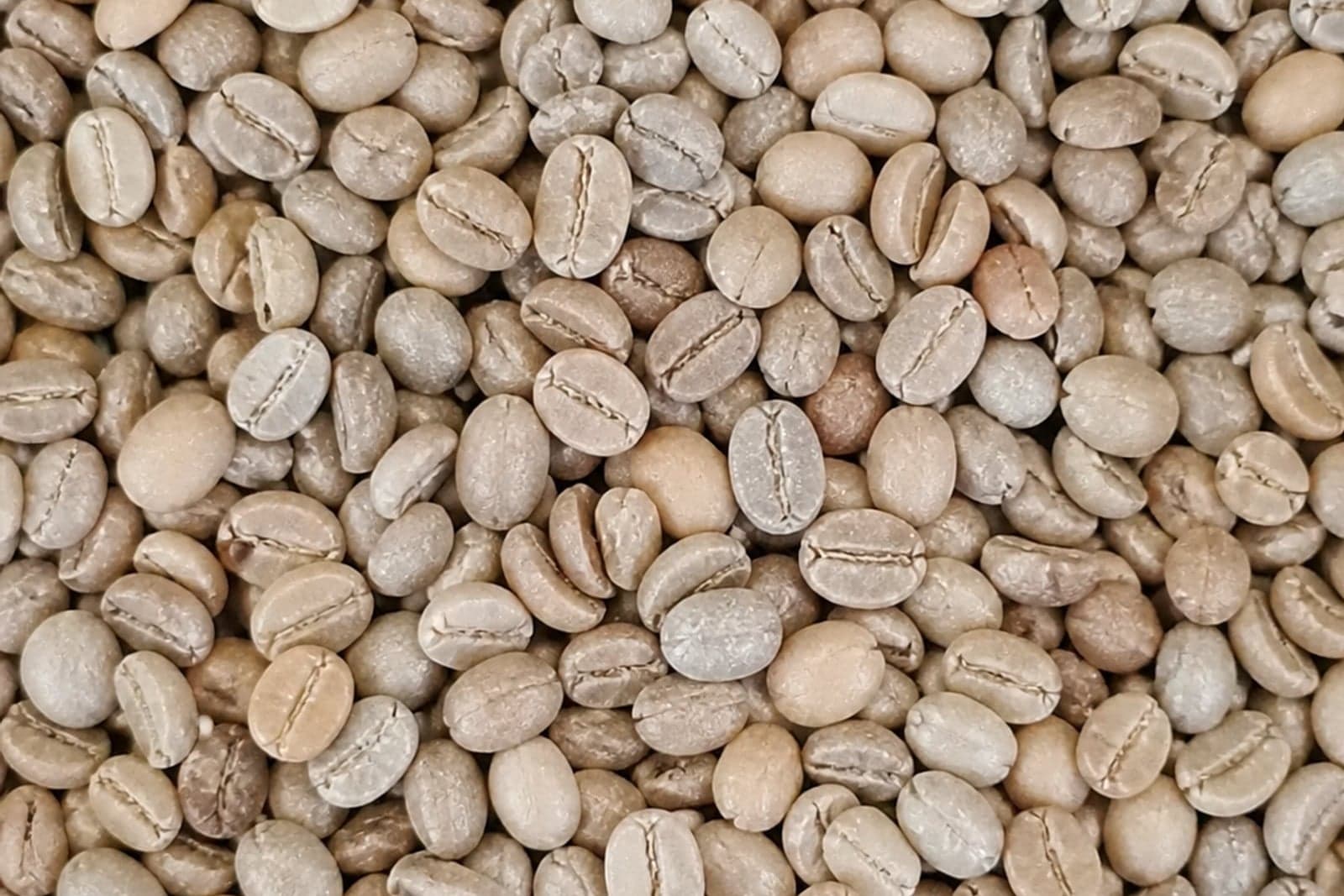
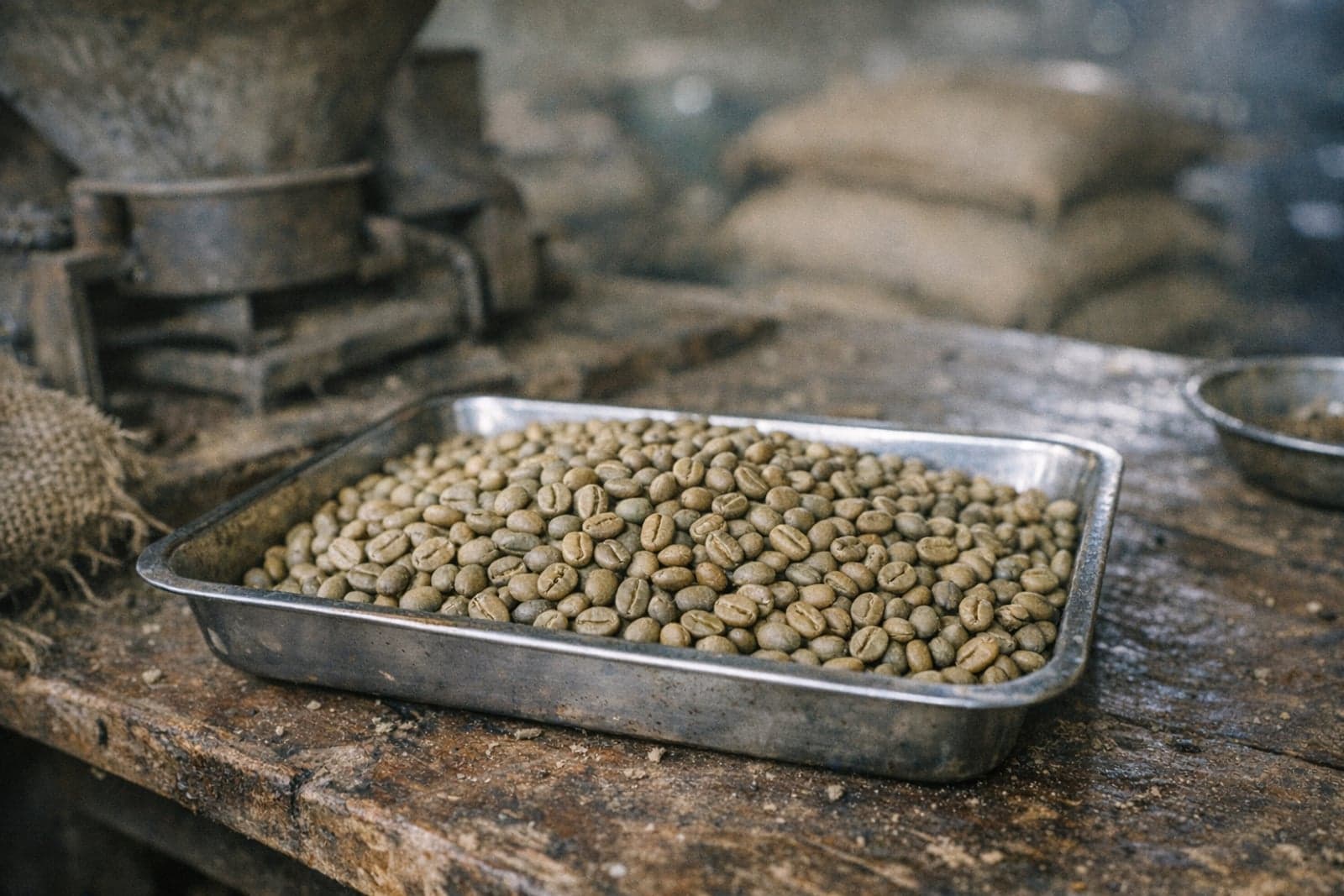
The Ijen blocks sit between 1,400 and 1,800 metres and are planted mostly to Typica descendants, S795, and Andungsari. Cherry is pulped, fermented for around 18 hours, washed, and dried with a mechanical finish, which is why these lots arrive at screen 17 up with 90% retention and the tightest size uniformity on our list. The cup scores 83 to 85 points and reads clean and nutty with a fuller body than a washed Central American of the same score.

Why estate uniformity is worth paying for

Uneven bean size is the quiet reason a roast profile drifts. When a bag mixes screen 14 and screen 18 beans, the small ones develop faster and the large ones lag, and the roaster ends up compromising between scorched and underdeveloped. Java lots come off organised blocks with a single processing standard, so the screen distribution is narrow and the roast curve you approve in a sample batch repeats in production. That is why blenders take Java as the stable component.

Java robusta for blends and volume

Garut and Temanggung robusta grows between 400 and 900 metres, sun dried and then density and colour sorted, screening 13 up with 16 up on request and counted across the full SNI 01-2907 ladder, at 2.0 to 2.5% caffeine. It is milder and less aggressive than Lampung, which makes it a common choice for espresso blends where robusta should add body and crema without dominating. Rainforest Alliance and 4C volume is available from the same growing areas.

Frequently asked questions

Ordering, samples, shipping, and payment.

How does Java arabica differ from Sumatran coffee?

Java is fully washed rather than wet hulled, so it is cleaner, brighter, and more uniform, with a nutty and mildly sweet cup at 83 to 85 points. Sumatra is wet hulled, heavier bodied, lower in acidity, and more savoury. Blenders often use both: Java for structure and consistency, Sumatra for body and depth.

What screen size does your Ijen plateau arabica hold?

Screen 17 and above at 90% retention, the largest and most uniform bean size on our offer list. Screen retention is measured on sieves rather than estimated, and the figure is printed on the grading sheet that ships with the container. Uniform size is what keeps a roast curve repeatable batch to batch.

When does the Java coffee harvest ship?

Arabica on the Ijen plateau is picked from June to October, so fresh crop normally ships from August onward. Java robusta from Garut and Temanggung peaks June to October and is available year round from stock. Lead time on both is two to four weeks from contract, whichever port is used.

Are certified programmes available on Java coffee?

Yes. The Ijen arabica ships under Rainforest Alliance and 4C, and the Garut and Temanggung robusta under 4C and Rainforest Alliance. Certificates are held by the producer group and the transaction certificate number travels with the shipment. Certified volume is allocated at harvest, so book earlier than conventional lots.

Get current prices & availability

Send the island, species, grade, and volume. You get an indicative price, current availability, and 300 g green samples with the grading sheet. Courier cost credited against the first contract.