FOB vs CIF for Indonesian Coffee Beans
FOB vs CIF coffee beans Indonesia explained for importers, with risk transfer, freight, insurance, port naming, and MOQ context.
By Bayu PrasetyoHead of Green Coffee TradingQ Grader (Coffee Quality Institute) with nine years buying, cupping, and contracting Indonesian arabica and robusta for roasters in Europe, Japan, and the Gulf.
FOB and CIF are not just price labels when buying Indonesian coffee. They decide who books the ocean freight, who pays for marine insurance, when risk transfers, and which port must be named in the contract.
We write this from the export desk. For green coffee, we quote Indonesian lots under FOB, CFR, or CIF. For roasted coffee, we can quote FOB, CIF, or DAP. The right choice depends on whether your company wants freight control, landed-cost planning, or delivery closer to your warehouse.
What does FOB mean for Indonesian coffee imports?
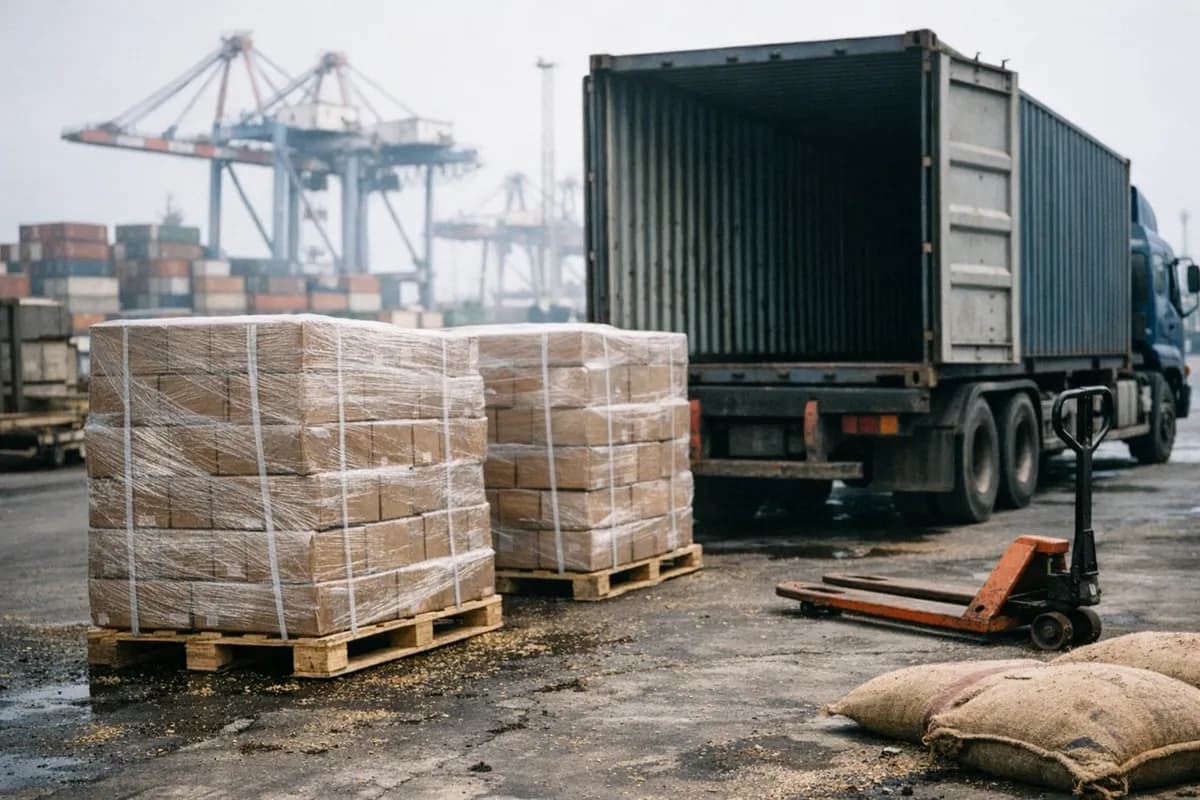
FOB means Free On Board. Under ICC Incoterms 2020, the seller delivers when the coffee is loaded on board the vessel at the named port of shipment, and risk passes to the buyer at that point.
For Indonesian green coffee, an FOB quote should name the loading port, not just the country. “FOB Indonesia” is incomplete. A workable quotation names a port, for example FOB Belawan, FOB Panjang, FOB Tanjung Priok, FOB Tanjung Perak, or FOB Makassar, depending on origin, consolidation point, and booking plan.
FOB is usually preferred by importers who already control their freight. If your company has a forwarder, annual carrier allocation, cargo insurance policy, and customs broker, FOB keeps the Indonesian export price separate from freight and insurance. That makes supplier comparison cleaner because you can compare the coffee value without mixing in ocean freight.
For our Indonesian green coffee beans, FOB is available alongside CFR and CIF. The coffee specification still matters more than the Incoterm label. A Gayo arabica, Lampung robusta, Bali arabica, or Sulawesi robusta can all be quoted FOB, but the shipment plan must still state grade, screen where applicable, moisture, packing, quantity, shipment period, and required documents.
The operational trade-off is control against administration. With FOB, you control the freight decision after the coffee is on board, but you also carry the freight booking, marine insurance, and post-loading risk. If a vessel rolls or your insurance documentation is incomplete, that sits with your side after the contractual risk point.
What is the difference between FOB and CIF for green coffee?
FOB and CIF differ mainly in cost responsibility, not in the risk transfer point. Under ICC Incoterms 2020, CIF means Cost, Insurance and Freight, where the seller pays for freight and insurance to the named destination port, but risk still passes when the coffee is loaded on board the vessel at the Indonesian port.
That risk point surprises some buyers. CIF does not mean the seller carries the cargo risk until arrival. It means the seller contracts and pays for carriage and insurance to the named destination port. If a claim occurs after loading, the buyer normally claims under the cargo insurance arranged for the shipment.
Here is the practical comparison for Indonesian coffee buyers:
| Contract point | FOB green coffee | CIF green coffee |
|---|---|---|
| Freight booking | Buyer arranges ocean freight after Indonesian loading | Seller arranges ocean freight to the named destination port |
| Insurance | Buyer arranges marine insurance | Seller arranges insurance for the voyage to the named destination port |
| Risk transfer under ICC Incoterms 2020 | When coffee is loaded on board at the named Indonesian port | When coffee is loaded on board at the named Indonesian port |
| Port to name | Indonesian loading port | Destination port, plus Indonesian loading port in the shipment plan |
| Best fit | Importers with freight contracts and insurance control | Buyers needing a delivered-to-port cost for budget approval |
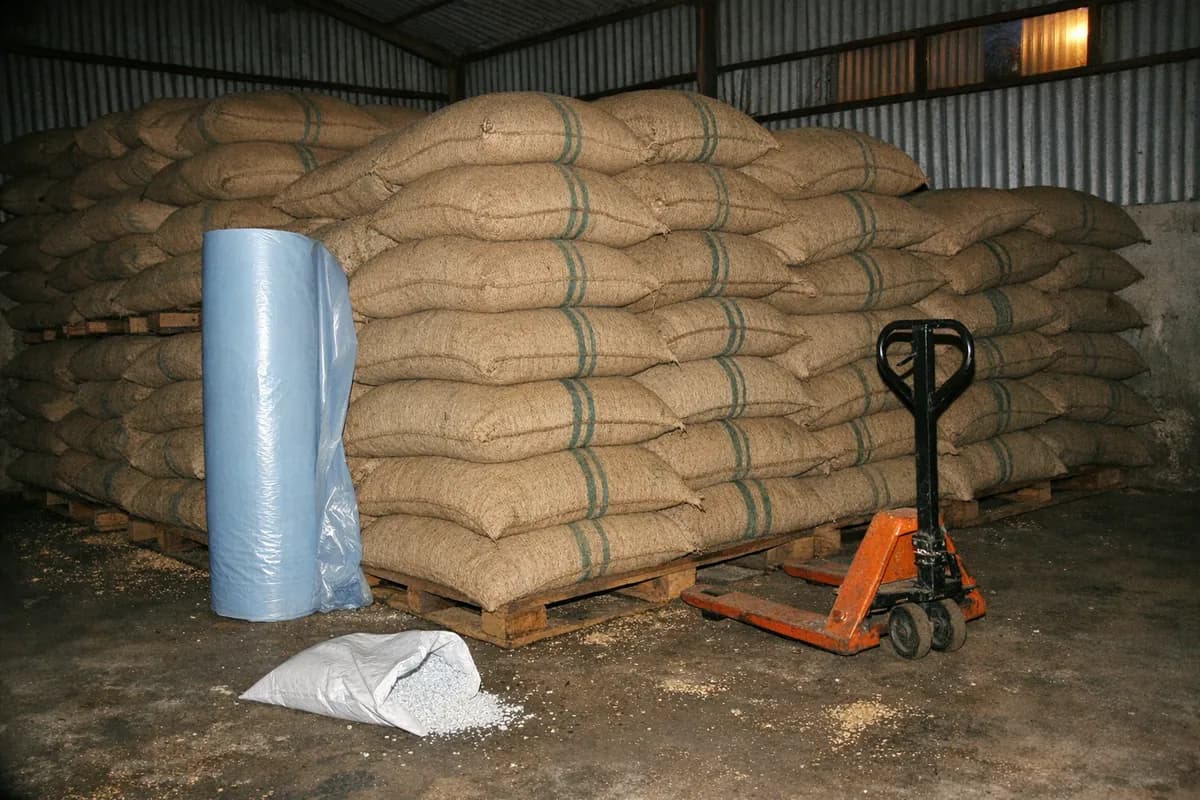
For green coffee, our export offer can be structured as FOB, CFR, or CIF under HS code 0901.11. Green arabica is packed in 60 kg jute bags with GrainPro liner. Green robusta is packed in 60 kg jute bags with a container liner and desiccant. Those packing formats should be repeated in the purchase order because they affect moisture risk, container preparation, and warehouse receiving.
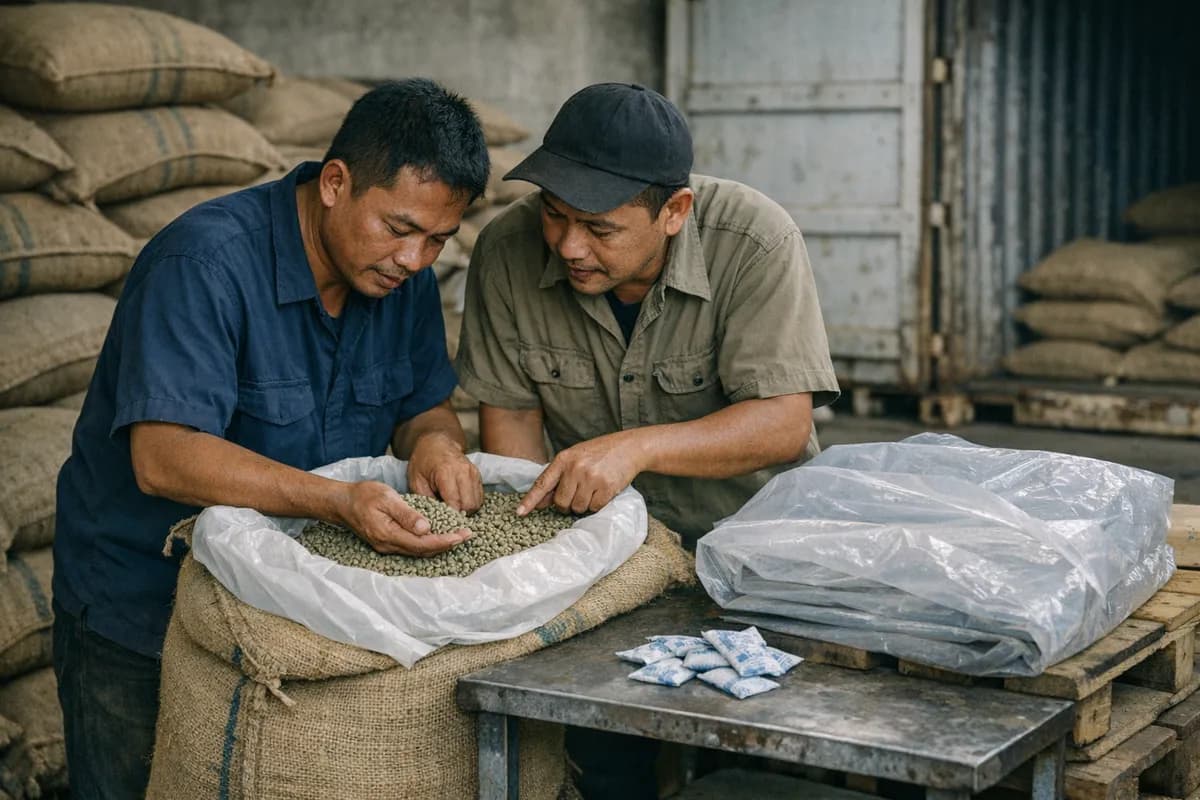
CIF is useful when your procurement team needs one figure to the discharge port for internal approval. It can also help buyers who import only a few containers a year and do not have better freight buying power than the exporter. The limitation is that you have less control over carrier choice and insurance wording unless those details are agreed before contract.
If you are comparing both bases, ask us to quote the same coffee on FOB and CIF with the same destination port. Send origin, grade, volume, and port details through our contact page, and we will price the Incoterm difference instead of changing the coffee line.
Which loading ports export Indonesian coffee?
Indonesian coffee should be quoted against a named seaport that matches the origin and shipping plan. Common container gateways used in coffee trade include Belawan for North Sumatra, Panjang for Lampung, Tanjung Priok for Jakarta and West Java access, Tanjung Perak for East Java and eastern consolidation, and Makassar for Sulawesi cargo.
The loading port is not a decorative field. It affects inland haulage, stuffing plan, sailing schedule, freight availability, document timing, and sometimes the feasibility of combining lots. A buyer asking for “FOB nearest port” is leaving a commercial variable open.
For Sumatra, Gayo arabica and Lampung robusta are different logistics discussions. Gayo is a highland arabica from the Gayo highlands and Lintong area, while Lampung robusta is a southern Sumatra commercial robusta. The FOB port may therefore be different depending on where the lot is milled, consolidated, and booked.
For Java, Bali, Flores, and Sulawesi, the port decision can involve consolidation. A buyer may want Bali or Flores lots because of origin identity, certification, or cup profile, but the export plan still has to match container availability and lead time. Bali and Flores green lots are offered from smaller minimums than our main island FCL lots, so the loading plan should be discussed before the buyer builds a sales schedule around a specific sailing week.
In the purchase order, name the Incoterm and port together. Write “FOB Tanjung Perak” or “CIF Rotterdam,” not “FOB Indonesia” or “CIF Europe.” If your bank, customs broker, or insurer requires a specific port name or bill of lading wording, give that instruction before booking.
What is the minimum order and price context for FOB or CIF Indonesian coffee?
Our green coffee MOQ is 19.2 MT per grade for Sumatra, Java, and Sulawesi lots. Bali and Flores green coffee lots start from 9.6 MT per grade, while roasted coffee MOQs depend on origin and profile.
For green coffee, 19.2 MT equals one 20 ft FCL with 320 bags of 60 kg. Bali and Flores green lots can start from 9.6 MT, equal to 160 bags of 60 kg. Our roasted coffee lines are quoted per roast profile and grade: most arabica roasted lots start from 500 kg, Bajawa Flores roasted arabica starts from 300 kg, and several robusta roasted lines start from 1,000 kg.
Price is driven by species, origin, grade, screen, certification, packing, Incoterm, volume, season, freight, and insurance. Arabica green coffee pricing commonly references the ICE Coffee C futures market plus or minus an origin differential. Robusta green coffee pricing commonly references the ICE London Robusta futures market plus or minus an origin differential. We do not publish spot prices in articles because terminal markets, freight, and differentials move.
FOB and CIF will not normally produce the same number. FOB separates the coffee export value from your freight and insurance. CIF includes freight and marine insurance to the named destination port. When you compare suppliers, make sure the Incoterm, destination port, bag count, grade, screen, and certification requirement are identical, or the price comparison will be false.
For buyers still choosing origins, the first filter is use case. Wet hulled arabica buyers often start with Gayo Sumatra Arabica Green Coffee Beans or Toraja. Washed arabica buyers often compare Java and Bali. Robusta buyers serving soluble, espresso, or volume roasting programmes usually compare Lampung, Java, Bali, Flores, and Sulawesi by caffeine range, screen, and grade.
Coffee in this article
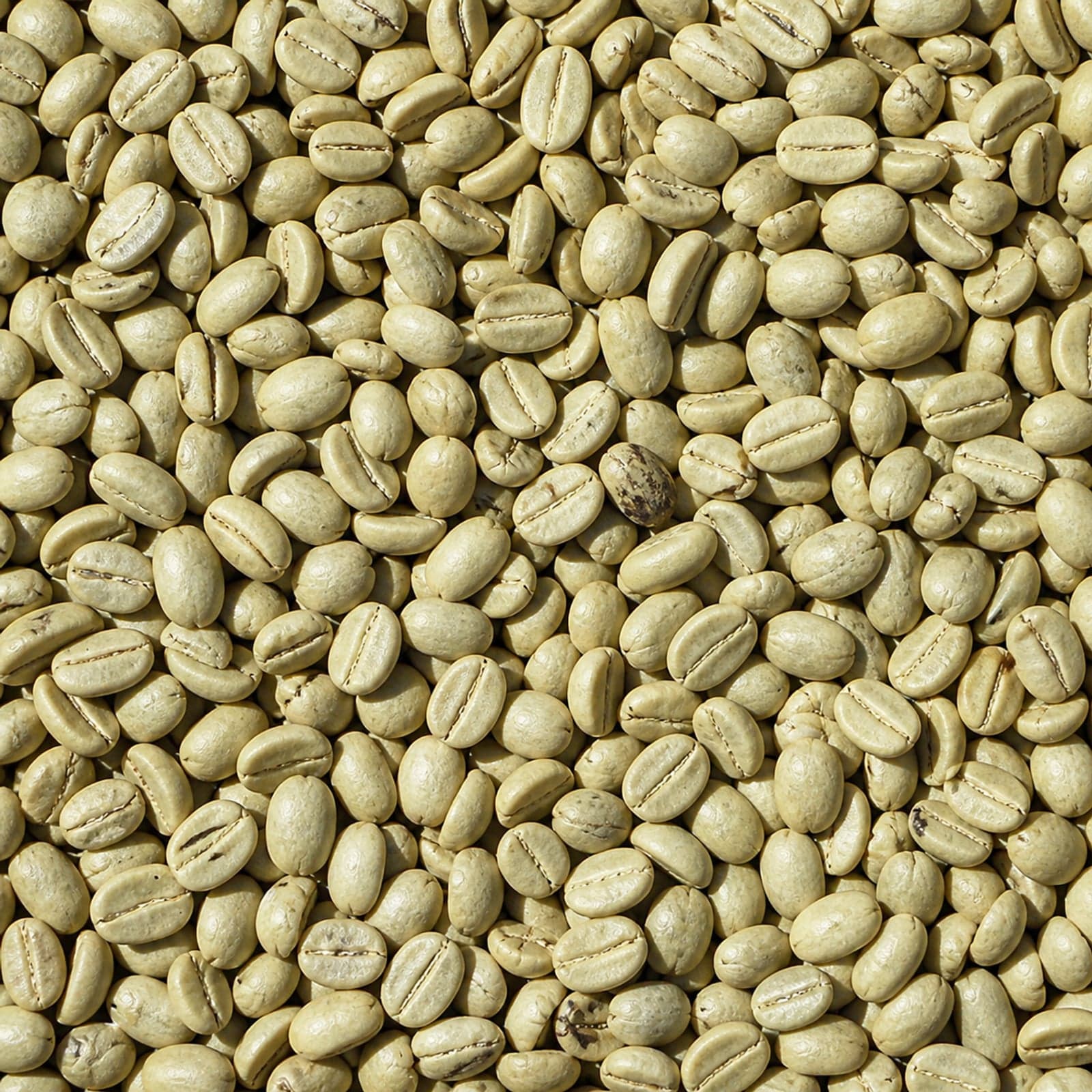
Gayo Sumatra Arabica Green Coffee Beans
Wet hulled arabica from the Gayo and Lintong highlands, offered from Grade 1 through Grade 6 on the same coffee.
Rainforest Alliance · ISO 22000 · Halal (BPJPH)
View specificationsCan roasted coffee be quoted DAP?
Yes. Our roasted Indonesian coffee lines can be quoted FOB, CIF, or DAP under HS code 0901.21. DAP is more suitable for roasted coffee than for standard green coffee FCL programmes because roasted orders often move in cartons, branded packs, or smaller contract lots.
Under ICC Incoterms 2020, DAP means Delivered at Place. The seller delivers when the goods are placed at the buyer’s disposal on the arriving transport at the named place, ready for unloading. The buyer usually handles import clearance, duties, taxes, and unloading unless the contract states a different arrangement.
For roasted coffee, this can be useful for distributors, hotel supply groups, e-commerce operators, and private label buyers that want fewer logistics steps. Our roasted coffee is packed in one-way valve foil, with a 12-month shelf life unopened. Dispatch is within 7 days of roast across the roasted lines, with lead time depending on origin and profile.
DAP requires a precise named place. “DAP Germany” is not enough. “DAP buyer warehouse, Hamburg” gives the logistics team a destination to price. If your importer of record must be your local entity, confirm that before we quote DAP because customs responsibility is not the same as freight responsibility.
For private label or foodservice programmes, start from our wholesale roasted Indonesian coffee range and state roast curve, grind, pack size, carton format, destination, and whether you want FOB, CIF, or DAP.
Should importers buy FOB or CIF for Indonesian coffee?
Buy FOB when your company controls freight, insurance, and import documentation better than the exporter can. Buy CIF when you need the exporter to include freight and insurance to a named destination port for budgeting, approval, or simpler procurement.
For repeat green coffee importers, FOB is often the cleaner long-term basis. Your freight team can choose carrier, routing, transshipment tolerance, insurance cover, and arrival timing. You can also compare Indonesian suppliers on the coffee itself, then apply your own logistics cost model.
For first-time importers or buyers without carrier contracts, CIF can be practical. It gives a landed-to-port cost, while still keeping import clearance and destination charges visible on your side. The main caution is risk transfer. Even under CIF, the risk passes at loading under ICC Incoterms 2020, so your team must review the insurance document and claim process.
For roasted coffee, DAP can be the better fit when the order is a private label or wholesale programme rather than a green coffee container. It reduces logistics work for the buyer, but it must be priced to a named place and checked against your import setup.
Our usual guidance is simple. Use FOB for experienced importers buying FCL green coffee. Use CIF when your procurement file needs freight and insurance included to a destination port. Use DAP for roasted coffee when your team wants delivery to a named place and is ready to handle import clearance. If you want both FOB and CIF shown on the same Indonesian lot, send the destination port and volume through our contact page so the comparison is based on the same coffee.