Indonesian Coffee Grade 1: SNI 01-2907 Explained
Understand Indonesian coffee grade 1 SNI 01-2907 with defect counts, screen checks, and SCA comparisons before you approve a lot.
By Bayu PrasetyoHead of Green Coffee TradingQ Grader (Coffee Quality Institute) with nine years buying, cupping, and contracting Indonesian arabica and robusta for roasters in Europe, Japan, and the Gulf.
Indonesian coffee grade 1 SNI 01-2907 is a physical grading term first. It tells a buyer how many defect values are allowed in a measured green coffee sample. It does not, by itself, confirm cup score, screen size, moisture, process, certification, or shipment readiness.
We use SNI grading at the export desk because it gives importers a common defect language across Indonesian arabica and robusta. For buyers, the practical work is to connect that SNI grade to the rest of the buying specification: screen retention, moisture, cup or roast result, packing, Incoterm, and the lot sample you approve before shipment.
What is Grade 1 Indonesian coffee?
Grade 1 Indonesian coffee is green coffee sorted to the top defect band under SNI 01-2907. It means the physical defect value in the standard sample is low enough for Grade 1, but buyers still need to verify screen, moisture, cup, and process.
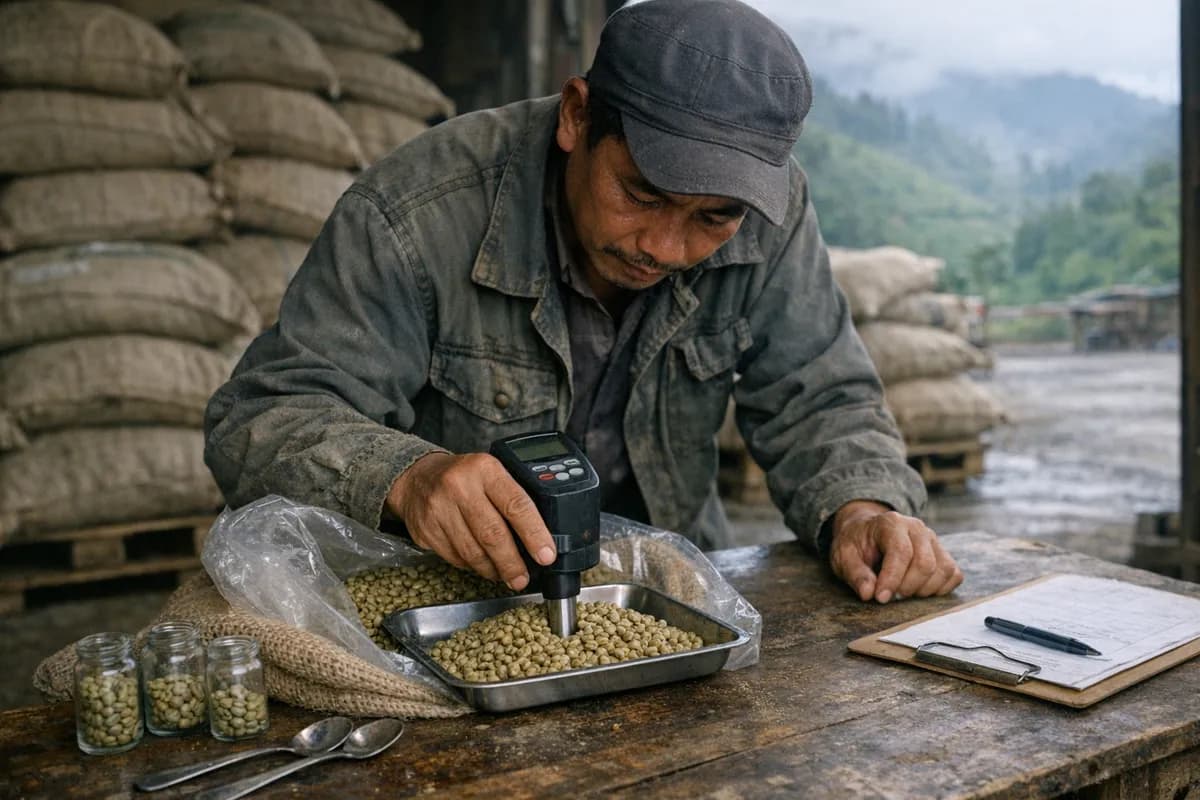
The Indonesian National Standard SNI 01-2907 classifies green coffee by defect value in a 300 g sample, with Grade 1 set at 0 to 11 defect value. In practice, a grader takes a representative green sample, removes and counts defects according to the standard’s defect-value system, then assigns the grade from the resulting total.
For export buyers, Grade 1 is usually the starting point for higher-spec arabica and clean robusta. We offer Grade 1 by default across our green coffee lines, with lower grades available where the buyer’s use case allows a different defect band. You can review the origin range on our Indonesian green coffee beans page.
Grade 1 should not be read as “specialty” by itself. An SNI Grade 1 robusta for soluble extraction and an SNI Grade 1 arabica for single-origin roasting can both meet the same Indonesian physical grade while serving different markets. The contract needs to say which coffee is being bought, not only the grade.
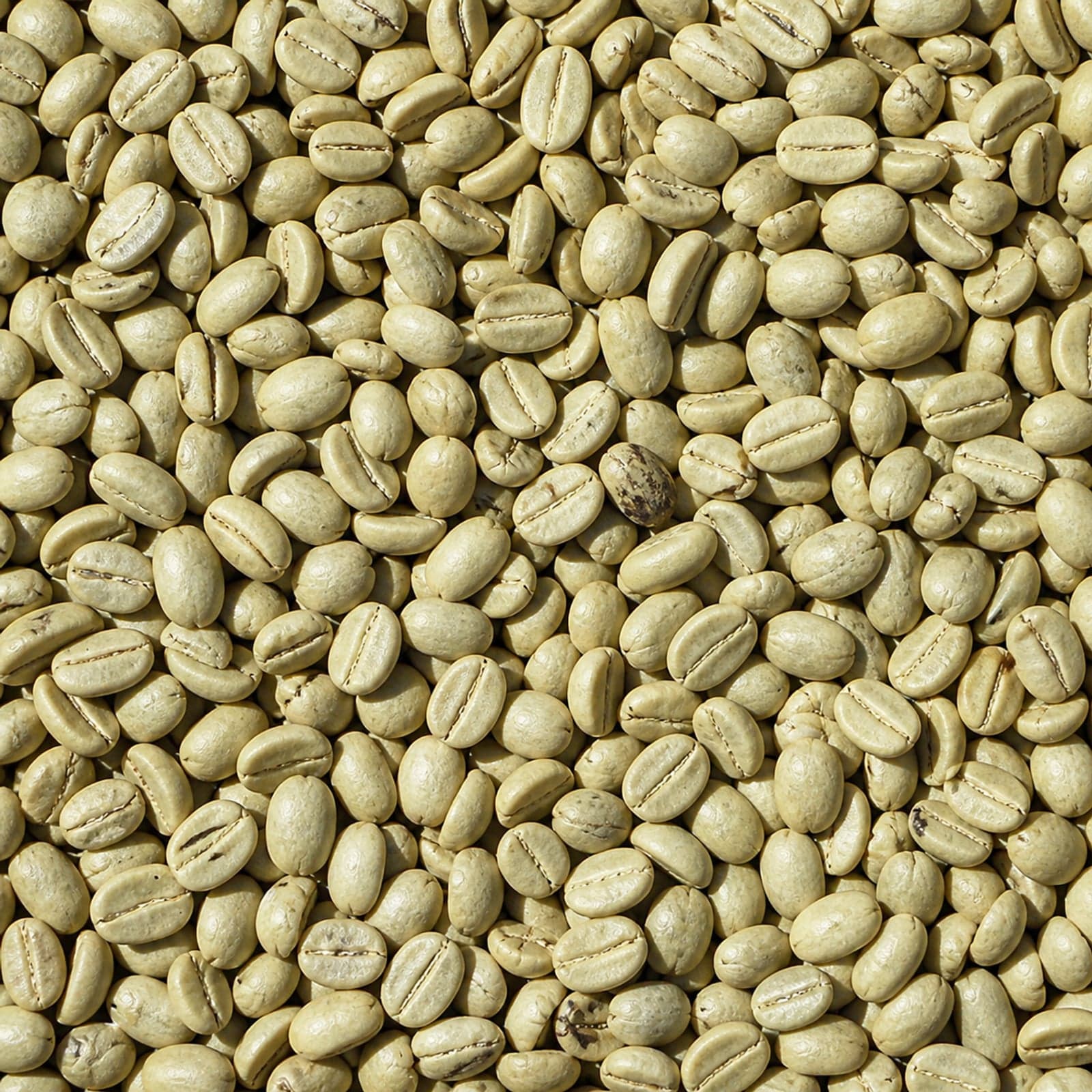
For example, our Gayo Sumatra Arabica Green Coffee Beans are offered Grade 1 by default under SNI 01-2907, and the Grade 1 green is cupped at 84 to 86 points under the SCA cupping protocol. That cup result is a separate quality field from the SNI defect grade.
Coffee in this article
Gayo Sumatra Arabica Green Coffee Beans
Wet hulled arabica from the Gayo and Lintong highlands, offered from Grade 1 through Grade 6 on the same coffee.
Rainforest Alliance · ISO 22000 · Halal (BPJPH)
View specificationsHow many defects are allowed in SNI Grade 1?
SNI Grade 1 allows 0 to 11 defect value in a 300 g green coffee sample. The number is a defect-value total, not simply a count of individual beans.
The Indonesian National Standard SNI 01-2907 sets the green coffee grade bands as Grade 1 at 0 to 11 defect value, Grade 2 at 12 to 25, Grade 3 at 26 to 44, Grade 4a at 45 to 60, Grade 4b at 61 to 80, Grade 5 at 81 to 150, and Grade 6 at 151 to 225, all measured on a 300 g sample.
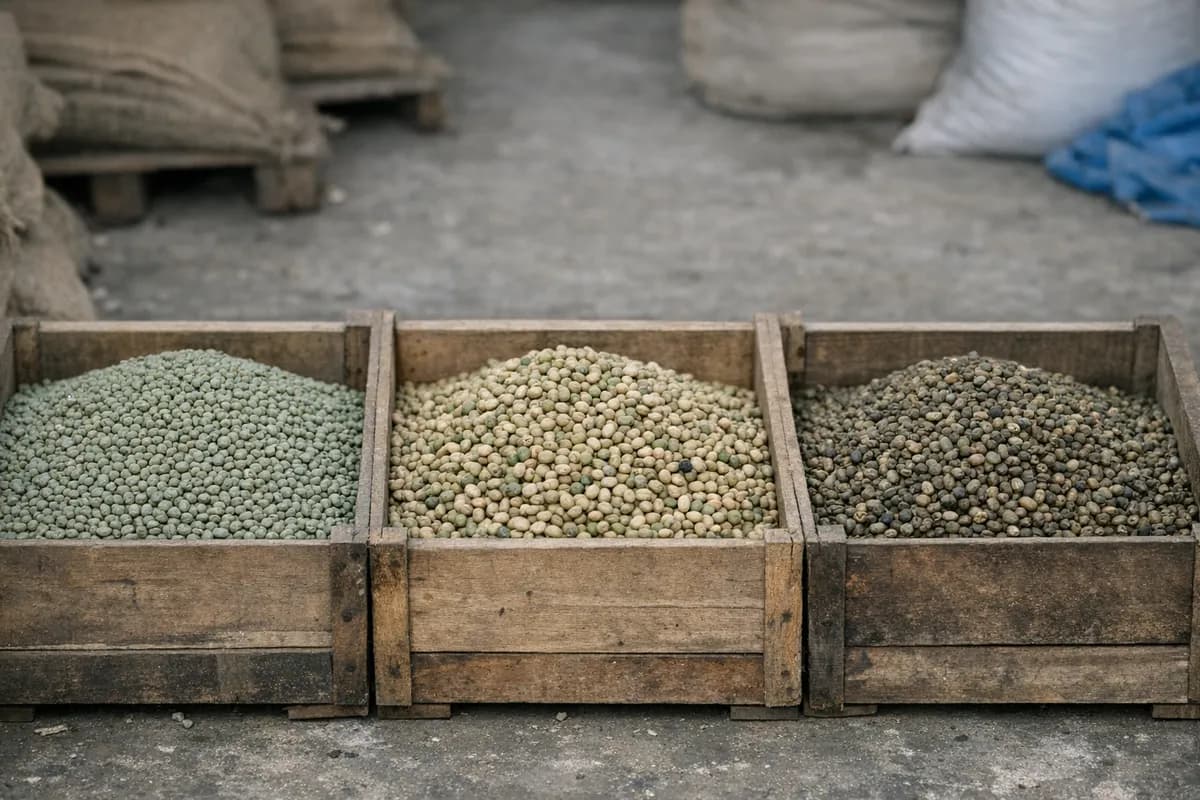
The word “value” matters. Different defects carry different weights in grading systems. A black bean, foreign matter, broken bean, insect-damaged bean, or other defect type may not have the same effect on the final grade. This is why a buyer should ask for the defect result and a retained sample, not only a verbal grade statement.
Our grading flow before export is simple. We prepare the lot, draw a sample, check moisture, screen the coffee where screen size is part of the specification, count physical defects against the agreed grade, and cup or roast-test according to the buyer’s use case. If the coffee is bought as arabica for a retail programme, cup approval is normally part of the decision. If it is robusta for extraction or espresso blending, the buyer may put more weight on caffeine, screen, and clean roast performance.
A purchase order should state the grade as “SNI 01-2907 Grade 1” or the specific lower grade being purchased. “Good export quality” is not a grading instruction. It leaves too much room for interpretation between supplier, buyer, broker, and receiving warehouse.
What is the difference between SNI and SCA green grading?
SNI 01-2907 is the Indonesian national defect-grade system for green coffee, while SCA green grading is an international specialty-focused system used mainly for arabica evaluation. They use different sample sizes and different pass criteria, so the results should not be treated as interchangeable.
The Specialty Coffee Association Green Arabica Coffee Classification System uses a 350 g green sample, with Specialty Grade allowing no primary defects and no more than 5 full defects. SNI 01-2907 uses a 300 g green sample and assigns numbered grades by defect value. A coffee can therefore be SNI Grade 1 and still need separate evaluation before a buyer calls it specialty.
SCA also connects green grading to cup assessment. For arabica buyers, that matters. Our Grade 1 arabica lots are cupped under the SCA protocol, with published score ranges by origin in the product sheets. Toraja Grade 1 is listed at 85 to 87 points, while Gayo, Kintamani, and Bajawa Grade 1 are listed at 84 to 86 points. Ijen Java Grade 1 is listed at 83 to 85 points.
For robusta, SNI grade is often the more practical contract field because many buyers are purchasing for soluble production, espresso blend structure, or volume roasting. The same buyer may still run its own roast, extraction, or sensory checks. We group robusta origins and grade options on our Indonesian Robusta Coffee Beans page.
The safest approach is to write both systems into the buying process where needed. Use SNI for the Indonesian physical grade. Use SCA-style green and cup evaluation when the purchase is for specialty arabica or a roaster’s branded single origin. Do not ask a supplier to “convert” one system into the other without a sample, because the sample sizes and defect rules are not the same.
What does screen size mean on an Indonesian grading sheet?
Screen size tells you the bean-size separation used in preparation, usually expressed as a screen number such as screen 13, 16, 17, or 18. It is separate from SNI defect grade, so a Grade 1 coffee can still be offered at different screens.
In common green coffee practice, the screen number refers to the sieve aperture in sixty-fourths of an inch. Screen 16 is 16/64 inch, about 6.35 mm. “Screen 16 up” means the lot is prepared to retain beans at that size and above, subject to the retention tolerance stated by the seller.
Retention is the field buyers should check. Our green coffee sheets state screen with 90% retention on the relevant lines. Several arabicas are offered at screen 16 up, while Ijen Java Arabica is screen 17 up by default. Some origins can be requested at a larger or smaller screen, depending on the lot.
Robusta screens are more use-case driven. Lampung and Kolaka robusta can be supplied at screen 16 up, known in our product facts as EK-1 screen, or at screen 13 up. Java, Bali, and Flores robusta are listed at screen 13 up by default, with screen 16 up on request. For extraction and volume roasting, a buyer may accept screen 13 if cup, defect grade, and process performance fit the factory requirement. For espresso blends, some roasters prefer a tighter or larger screen for roast uniformity.
Screen does not replace defect counting. A large bean can still be defective. A clean smaller-screen robusta may perform better for a factory than a larger-screen lot with the wrong defect profile. That is why the offer should state both SNI grade and screen, and the pre-shipment sample should be checked against both fields.
If your team needs samples across Grade 1 and screen options, send the target application and destination port through our contact page so we can propose current lots.
Why does robusta have Grade 4a and 4b?
Robusta commonly shows 4a and 4b on Indonesian offers because SNI 01-2907 splits the middle Grade 4 range into two defect bands. Buyers should specify 4a or 4b clearly, because they do not carry the same defect tolerance.
Under SNI 01-2907, 4a is the 45 to 60 defect-value band and 4b is the 61 to 80 defect-value band in a 300 g sample. That split is commercially useful. A soluble plant, local roaster, or blend manufacturer may be able to run a controlled 4a lot while rejecting 4b, or may buy 4b only when the price and factory cleaning step justify it.
Our robusta green lines list Grade 1, 2, 3, 4a, 4b, 5, and 6 under SNI 01-2907. That includes Lampung, Java, Bali, Flores, and Sulawesi robusta. For buyers using robusta in soluble coffee or extraction, we also present the category through our Indonesian robusta extraction grades collection.
The trade-off is not only price. As defect value rises, the buyer may need more sorting, a different roast profile, or a factory process that can handle more physical variation. Some visible defects can also have a stronger effect on cup, roast colour, or extraction cleanliness than the grade name suggests. A buyer should therefore ask for a sample from the exact grade band being quoted, not a cleaner sample from another grade.
We advise buyers not to write “Grade 4” without the suffix. In Indonesian robusta, “4a” and “4b” are different purchase instructions. If a procurement file, supplier offer, and laboratory sample use different wording, the shipment can become difficult to approve even when both parties thought they had agreed on Grade 4.
What is the minimum order and price context for Grade 1 lots?
Our green coffee MOQ is 19.2 MT per grade on Sumatra, Java, and Sulawesi lots, while Bali and Flores green lots start from 9.6 MT per grade. Price depends on grade, screen, origin, process, certification, packing, Incoterm, volume, and shipment season.
The MOQ is per grade. If a buyer asks for one container split between Grade 1 and Grade 4a, that is not the same as one homogeneous Grade 1 contract line. The lot has to be segregated, sampled, packed, and documented correctly. For smaller island allocations such as Bali and Flores, half-container quantities are listed in our green product facts, but they still apply per grade.
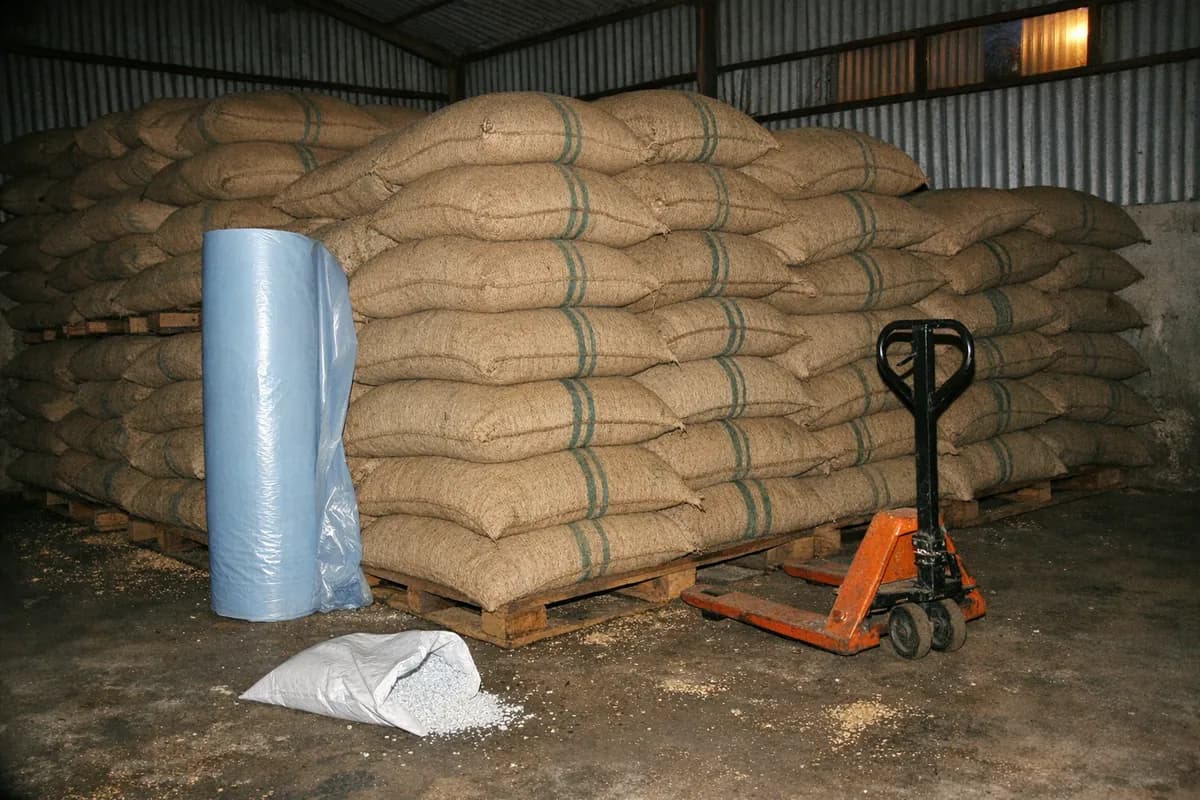
Arabica green coffee is packed in 60 kg jute bags with GrainPro liner on our arabica lines. Robusta green coffee is packed in 60 kg jute bags with a container liner and desiccant. Those packing formats should be written into the contract because they affect moisture risk, loading checks, and receiving warehouse handling.
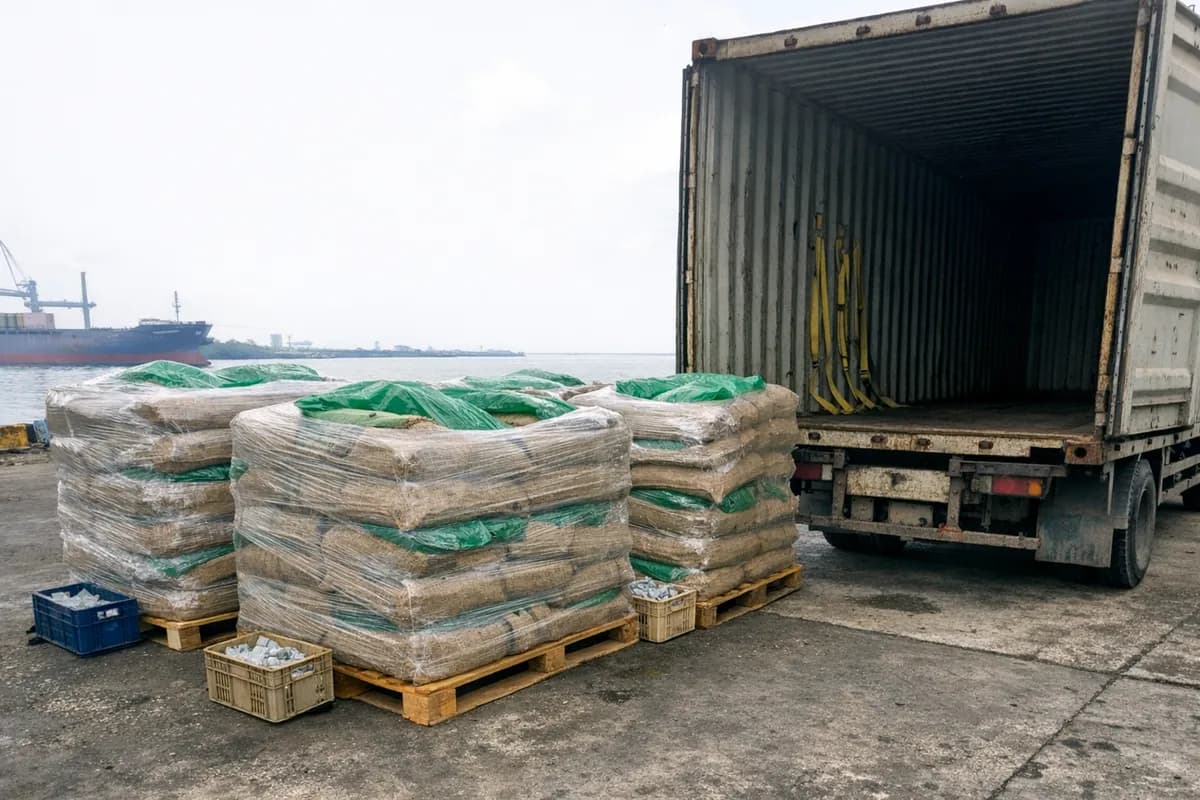
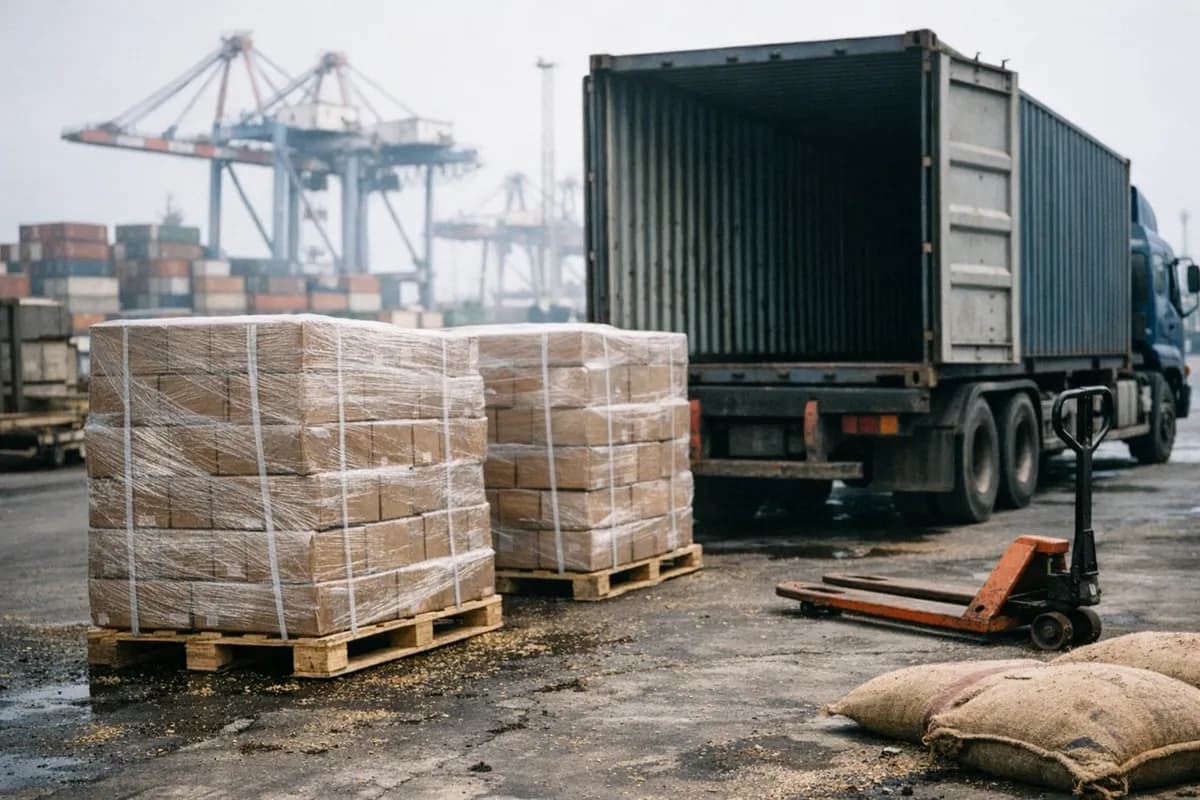
For price context, arabica quotations normally reference the ICE Coffee C futures market plus or minus an origin differential. Robusta quotations normally reference the ICE London Robusta futures market plus or minus an origin differential. We do not publish spot prices in articles because terminal markets and differentials move. The quote also changes by Incoterm: FOB, CFR, and CIF do not allocate freight and insurance in the same way.
A good quote request gives us the exact buying fields: species, origin, SNI grade, screen, moisture target if tighter than our product sheet, certification requirement, volume, Incoterm, destination port, and shipment month. If you are still comparing options, start with one commercial use case. For example, ask for Grade 1 wet hulled Sumatra arabica for roasting, or Lampung robusta 4a for an extraction trial.
Send those details through our contact page for a current offer, sample plan, and shipment timing against the grade you need.