Indonesian Green vs Roasted Wholesale Coffee
Buy green coffee beans or roasted wholesale Indonesia after comparing which format fits roasters, retail programs, and horeca supply.
By Bayu PrasetyoHead of Green Coffee TradingQ Grader (Coffee Quality Institute) with nine years buying, cupping, and contracting Indonesian arabica and robusta for roasters in Europe, Japan, and the Gulf.
Buying Indonesian coffee wholesale starts with one practical choice: do you want to import green coffee and roast in your own facility, or do you want roasted coffee packed for retail, horeca, private label, or foodservice distribution?
We supply both routes. The right choice depends on your role in the chain. A roasting company usually buys green to control roast development, inventory age, blend formulation, and landed cost. A retailer, distributor, hotel group, or cafe operator may prefer roasted coffee if it needs an Indonesian product ready for shelf or service without installing roasting capacity.
Should I buy green or roasted Indonesian coffee wholesale?
Buy green coffee if you are a roaster, manufacturer, or importer with roasting control and warehouse intake procedures. Buy roasted coffee if you need finished Indonesian coffee for retail, horeca, office coffee, vending, or private label distribution.
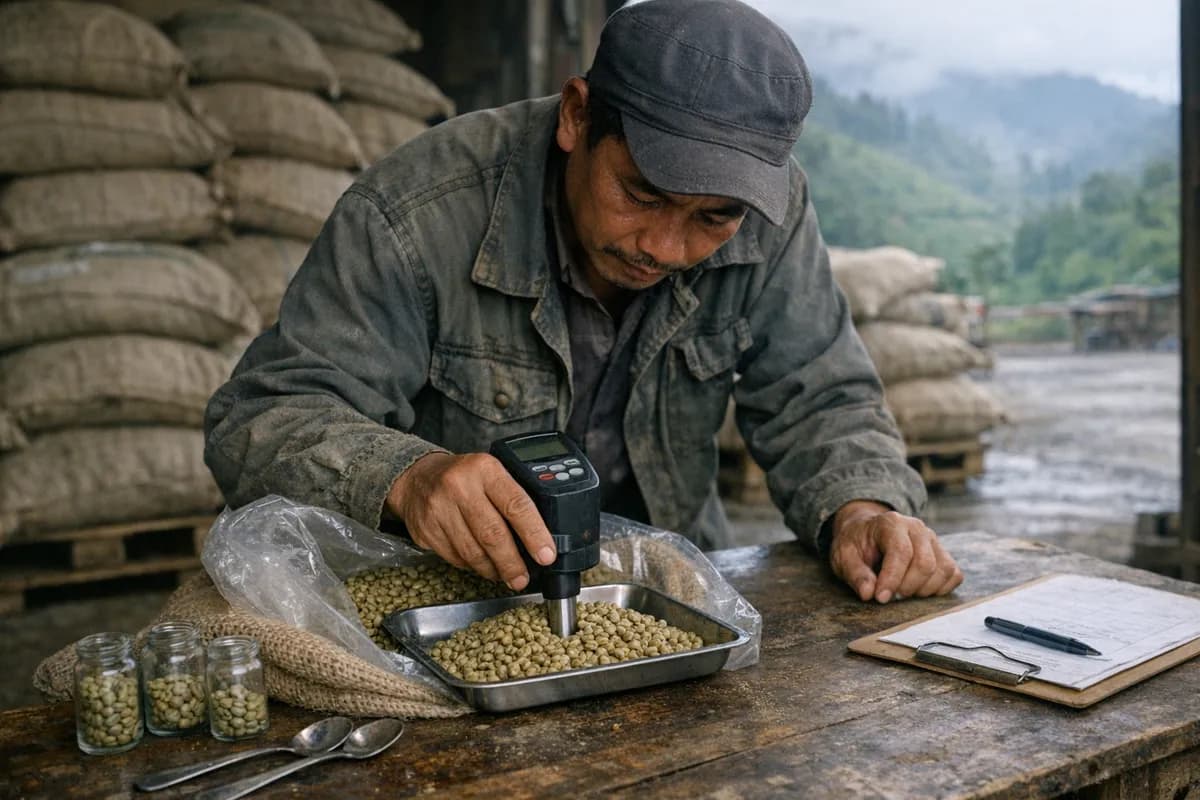
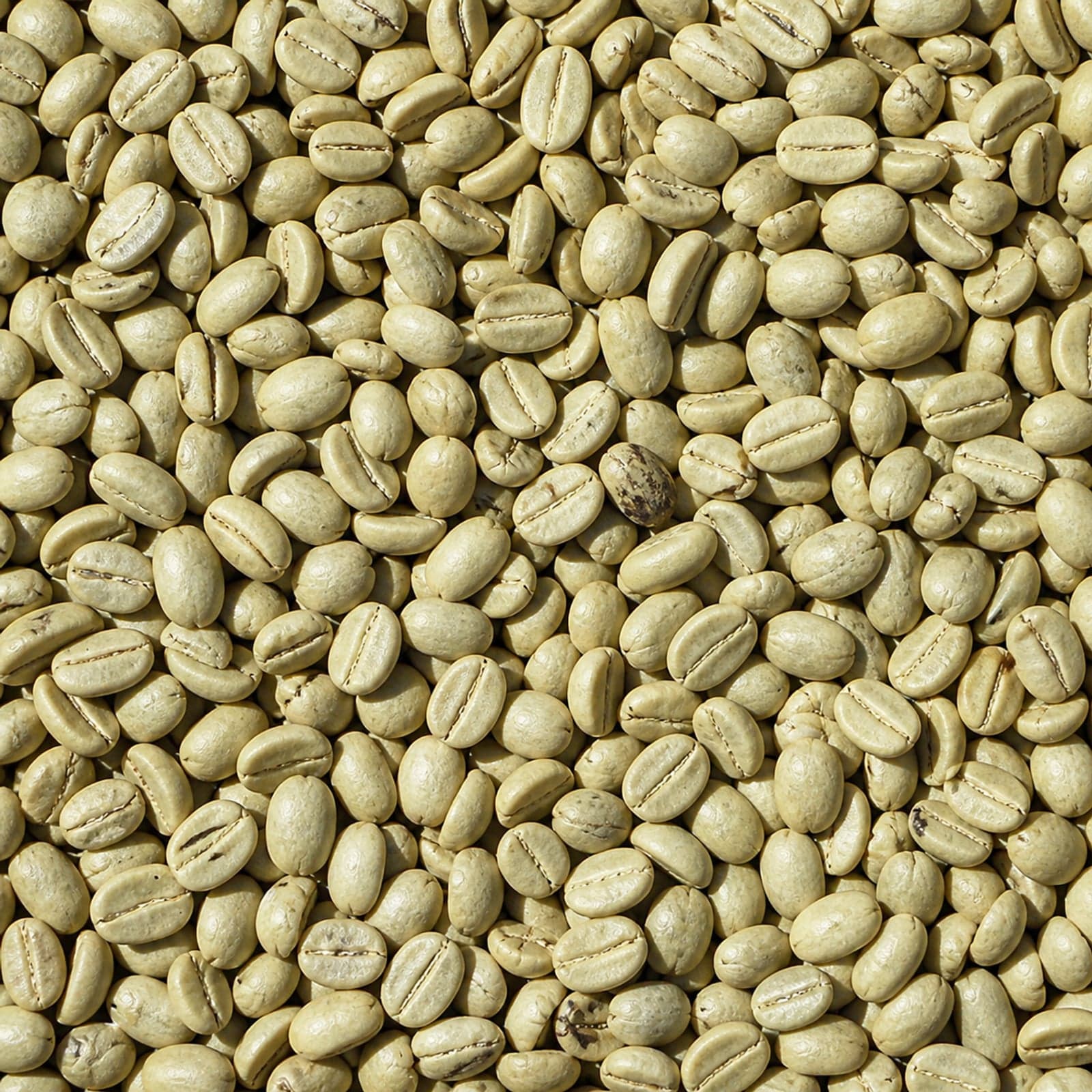
Green coffee gives you control over roast profile, blend percentage, release timing, and quality approval at intake. It also lets your production team adjust roast development after testing the coffee on your own equipment. For buyers comparing origins, our Indonesian green coffee beans range covers arabica and robusta from Sumatra, Java, Bali, Flores, and Sulawesi.
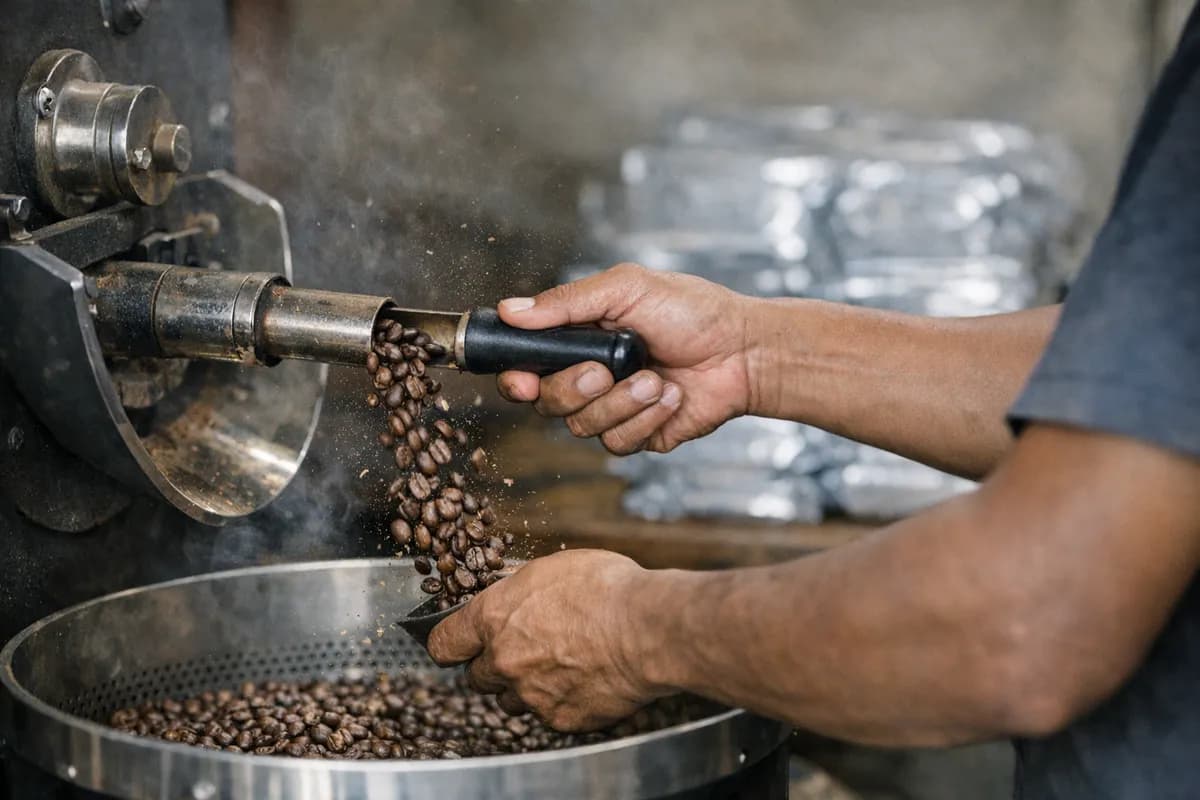
Roasted coffee reduces your production burden. We roast to an agreed profile, pack in valve foil, and ship under the roasted coffee code. This route suits buyers who have sales channels but do not want to run a roasting plant, manage green shrinkage, or hold unroasted inventory. Our wholesale roasted Indonesian coffee range is built for that use.
The trade-off is control. A roaster buying green can change an espresso component by 10 seconds of development time or by adjusting end temperature. A horeca distributor buying roasted coffee gets a repeatable finished product, but the roast curve must be agreed before production. That is why we ask roasted buyers for intended brew method, target roast level, grind requirement, pack size, and first shipment volume before quoting.
Green also fits buyers who need different roast outcomes from one origin. For example, a roaster may use wet hulled Sumatra in a medium espresso blend and a darker milk-based blend. Roasted coffee fits buyers who want one approved profile repeated across cartons.
What is the MOQ for roasted coffee from Indonesia, and how is price built?
Our roasted coffee MOQ depends on origin, species, roast profile, and grade. Bajawa Flores Arabica starts from 300 kg per roast profile and grade, several arabica and robusta roasted lines start from 500 kg, and Lampung, Java, and Kolaka robusta roasted lines start from 1,000 kg.
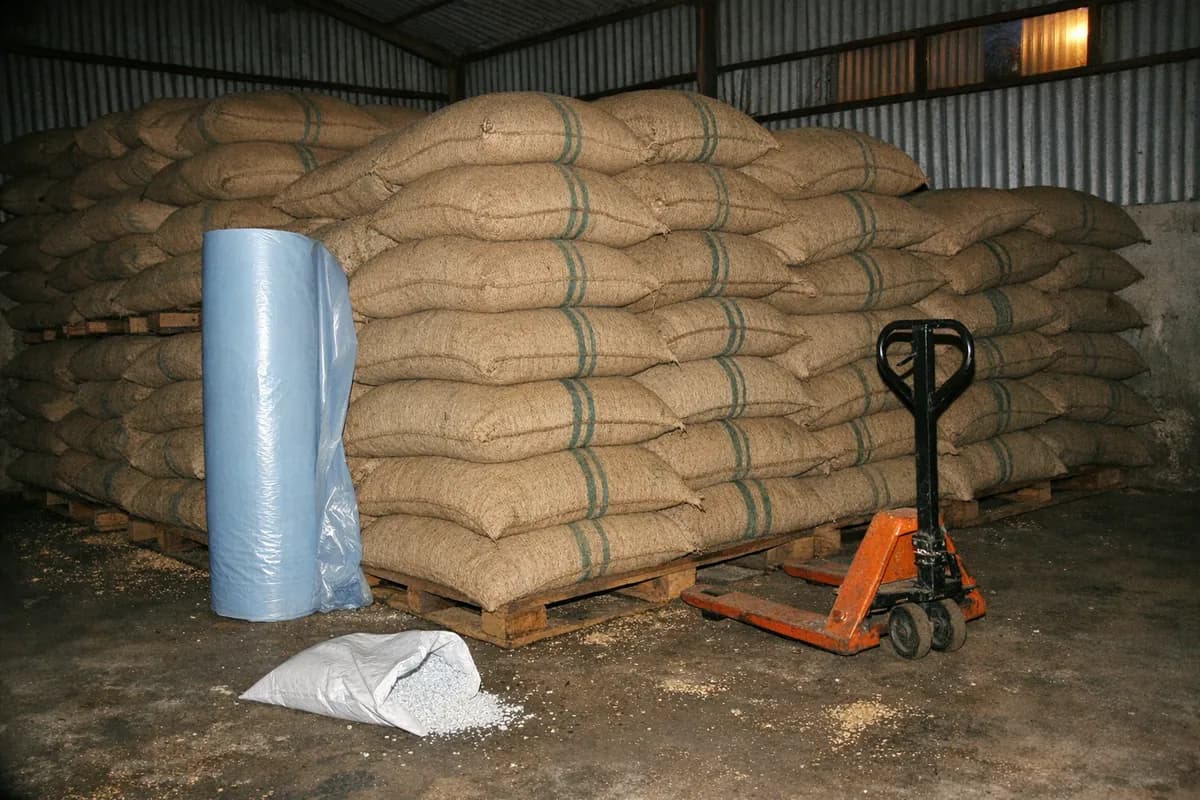
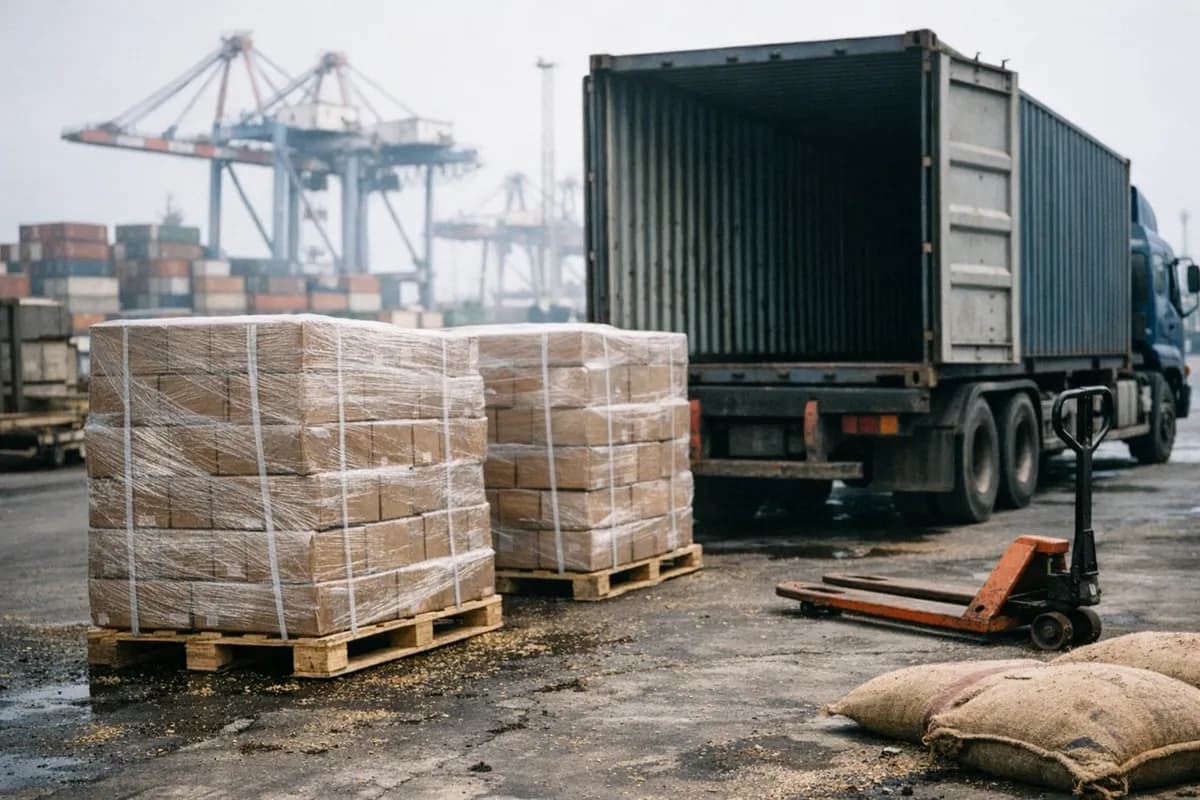
For green coffee, our MOQ is larger because it is container-based. Sumatra, Java, and Sulawesi green lots start from 19.2 MT per grade, equal to one 20 ft FCL with 320 bags of 60 kg. Bali and Flores green lots start from 9.6 MT per grade, equal to 160 bags. Green coffee is offered under FOB, CFR, or CIF, and the HS code is 0901.11. Roasted coffee is offered under FOB, CIF, or DAP, and the HS code is 0901.21.
Roasted coffee pricing is not just “green price plus roasting.” The main drivers are the green grade, origin, certification, roast level, grind, packing format, order volume, Incoterm, freight lane, and season. A dark robusta profile for vending is priced differently from a light roasted Flores arabica in 250 g valve bags because the raw coffee, roast target, packaging, and handling are different.
For green arabica, quotations commonly reference the ICE Coffee C futures market plus or minus an origin differential. For green robusta, quotations commonly reference the ICE London Robusta futures market plus or minus an origin differential. We do not publish spot prices in articles because terminal markets and differentials move. Roasted quotations use the green coffee basis, then account for roasting, packing, carton format, profile count, and Incoterm.
If you want a current offer, send us your origin shortlist, roasted or green format, volume, destination port, Incoterm, and pack size through our contact page.
Can I order the same lot green and roasted?
You can order the same origin and green grade in both formats, but do not assume the same physical lot unless the contract states the lot reference. If your quality team needs green and roasted material from the same allocation, ask for that at the offer stage.
This request is common when a buyer wants to test both routes before committing. A roaster may import green Gayo Sumatra Arabica for its own production while asking us to roast a smaller quantity to an agreed Agtron target for a market trial. A distributor may test roasted Kintamani Bali Arabica while keeping a green option open for a later local roasting program.
The clean way to handle this is to write two contract lines. One line covers green coffee, with the agreed grade, screen where applicable, moisture range, packing, Incoterm, and shipment timing. The second line covers roasted coffee, with roast level, Agtron target, grind if required, pack format, carton format, and dispatch timing.
For example, Gayo Sumatra Arabica Green Coffee Beans and Gayo Sumatra Arabica Roasted Coffee both use wet hulled Sumatran highland green, with Grade 1 as our default and grades 1 to 6 available under SNI 01-2907. Indonesian National Standard SNI 01-2907 grades green coffee by defect value in a 300 g sample, with Grade 1 at 0 to 11 defects and Grade 6 at 151 to 225 defects. If grade alignment matters, state it in both lines.
Coffee in this article
Gayo Sumatra Arabica Green Coffee Beans
Wet hulled arabica from the Gayo and Lintong highlands, offered from Grade 1 through Grade 6 on the same coffee.
Rainforest Alliance · ISO 22000 · Halal (BPJPH)
View specificationsHow is roasted coffee packed for export?
Our roasted coffee is packed in one-way valve foil formats, with shelf life stated as 12 months unopened. Dispatch is within 7 days of roast on our roasted coffee lines.
Packing format depends on the origin and product. Gayo, Ijen, Lampung, Java robusta, Manggarai, and Kolaka roasted coffees are available in 1 kg valve bags in 12 kg cartons, with some robusta lines also available in 10 kg bulk foil. Kintamani Bali, Pupuan Bali, Bajawa Flores, and Toraja Sulawesi roasted coffees are available in 250 g and 1 kg valve bags in 12 kg cartons. Some arabica lines also offer 5 kg foil bags.
For retail, the question is usually pack size, label workflow, and carton handling. A 250 g valve bag fits supermarket, specialty retail, and gift channels. A 1 kg valve bag fits cafes, hotels, offices, and foodservice distributors. A 5 kg or 10 kg bulk foil format fits buyers who repack locally or supply high-volume beverage service.
For grind, we can supply whole bean or ground formats according to the product line. The available grind options include filter, moka, espresso, vending, cupping, pour-over, and traditional kopi tubruk depending on the coffee. Ground coffee should be specified carefully because a vending grind and a moka grind are not interchangeable in extraction.
Buyers building a private label program can review our private label coffee roasting in Indonesia page before asking for artwork, carton, and shipment checks.
What is contract roasting?
Contract roasting means we roast Indonesian green coffee to an agreed profile for a buyer, then pack it in the agreed wholesale or retail format. The buyer does not need to operate the roaster, but the buyer still approves the coffee, roast target, grind, packaging, and commercial terms.
For arabica, roast targets vary by origin. Gayo Sumatra roasted arabica can run light to dark at Agtron whole bean 40 to 62. Ijen Java roasted arabica runs medium to medium dark at Agtron 46 to 58. Kintamani Bali, Bajawa Flores, and Toraja Sulawesi are lighter programs, with their product sheets stating light to medium ranges.
For robusta, the targets are generally darker. Lampung runs medium dark to dark at Agtron 36 to 48. Java robusta runs medium dark at Agtron 42 to 52. Kolaka Sulawesi is our darkest listed roasted line at Agtron 36 to 46. Those targets matter because a buyer using robusta for vending or crema may not want the same roast colour as a buyer selling single-origin arabica for filter brewing.
Contract roasting works best when the buyer gives a precise brief. Tell us the use case, target roast level, whole bean or grind, pack size, carton requirement, first order volume, certification requirement, destination, and Incoterm. We can then quote the correct roasted line instead of forcing a retail product into a foodservice channel.
Which Indonesian origin or process should be chosen?
Choose by use case first, then origin and process. The same “Indonesia coffee” label can mean wet hulled arabica, fully washed arabica, natural arabica, or sun dried robusta, and each behaves differently in a buying program.
For roasters buying green arabica, wet hulled Gayo Sumatra and Toraja Sulawesi are the classic Indonesian process choices. Gayo Grade 1 is cupped at 84 to 86 points under the SCA protocol, while Toraja Grade 1 is cupped at 85 to 87 points. Use these when you want a distinct Indonesian component and you have roasting control.
For buyers wanting cleaner washed arabica, Ijen Java and Kintamani Bali are more direct comparisons. Ijen is fully washed from 1,400 to 1,800 m asl with screen 17 up as standard. Kintamani is fully washed from subak abian cooperative wet mills and carries Organic EU/NOP and Fairtrade availability in our product facts. If your retail program needs certified roasted Bali coffee, Kintamani Bali Arabica Roasted Coffee is the more direct route than importing green and building a roast operation later.
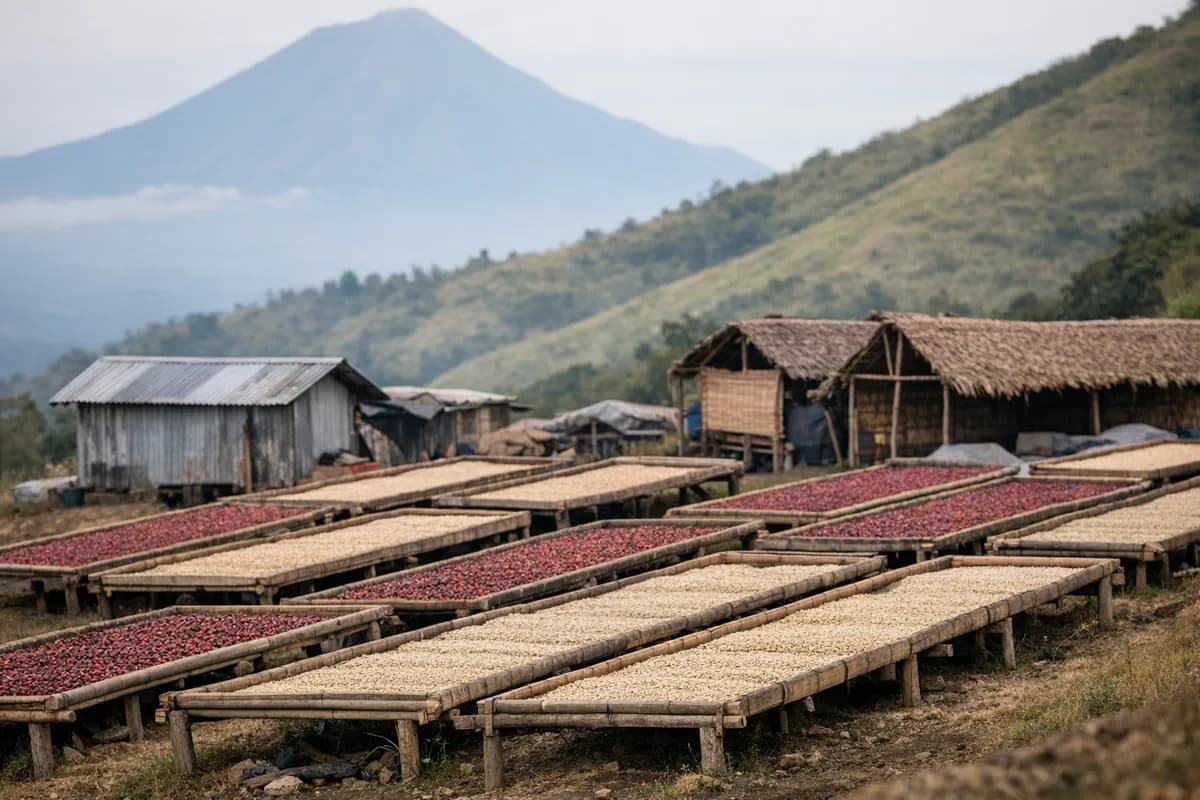
For buyers wanting a fruit-forward natural arabica, Bajawa Flores is the smaller-volume route. The green coffee is natural dried for 18 to 22 days on raised beds, and the roasted line has our lowest stated roasted MOQ at 300 kg per roast profile and grade. That can suit market testing before a larger import plan.
For espresso base, soluble, vending, and volume blends, robusta should be specified by origin, caffeine range, screen, grade, and roast target. Lampung is the commercial Sumatra robusta route. Java robusta has a milder caffeine range at 2.0 to 2.5% dry basis. Kolaka Sulawesi is the highest caffeine robusta in our list at 2.3 to 2.8% dry basis.
Our practical guidance is simple: roasters and manufacturers should buy green when they need control, scale, and factory integration. Retail, horeca, and distributors should buy roasted when they need an Indonesian coffee product ready to sell or brew. If you are between the two, start with a roasted trial and keep the green specification aligned for a later container program.